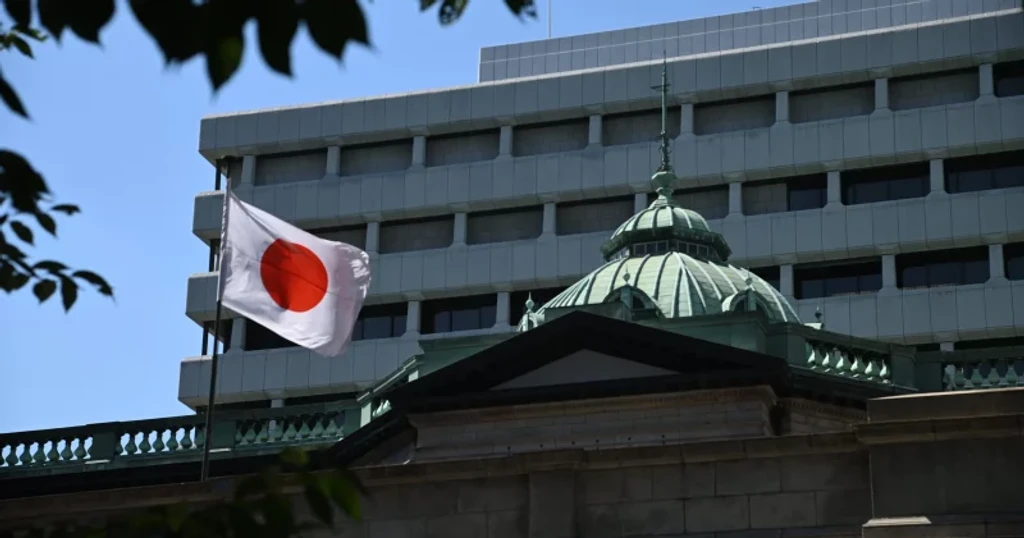
The Bank of Japan released a new core CPI trend gauge showing inflation at 2.8% year-on-year for April, up from 2.5% in March and well above its 2% target. The official government core CPI for April stood at just 1.4%, a four-year low. The gap between the two readings underscores a growing policy debate.
The BOJ’s gauge, first introduced in March 2026 by its Research and Statistics Department, strips out temporary distortions such as energy subsidies and education policy changes. The indicator is published two business days after official data to provide a clearer signal on underlying price pressures.
Energy price pressures linked to Middle East tensions, specifically Iran-related developments, are contributing to the persistent upward drift.
The BOJ held its policy rate at 0.75% during its April 28 meeting, with a vote split of 6 to 3. Three dissenting members pushed for an immediate hike to 1.0%. The central bank also raised its fiscal year 2026 core inflation forecast to 2.8%.
Analysts view the June policy meeting as a potential inflection point. The combination of an accelerating trend gauge, a narrow hold vote, and an upwardly revised forecast makes maintaining the current stance increasingly difficult.
Japan’s ultra-low rates have supported global carry trades, where investors borrow yen cheaply and deploy into higher-yielding assets including equities, bonds, and crypto. A hawkish BOJ shift-whether a rate hike to 1.0% or stronger forward guidance-would likely strengthen the yen, making those trades less attractive and potentially triggering unwinds across risk assets.
Traders will watch the June meeting closely for the rate decision and language on how the BOJ weighs its new gauge relative to traditional CPI measures.