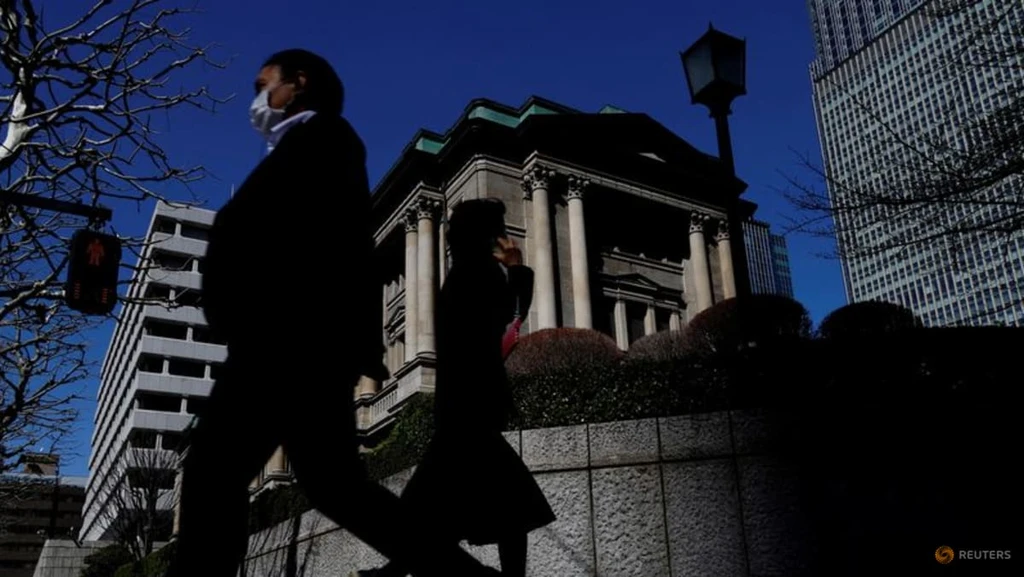
The Bank of Japan elevated its benchmark interest rate to a 31-year high on Tuesday, raising it by 25 basis points to 1 percent. The move marks the first increase since December and sets the rate at its highest level since 1995.
The central bank is battling inflation pressures that officials say have been exacerbated by the recent Middle East conflict. Japan relied on the Middle East for roughly 90 percent of its crude oil before the war began. The surge in oil prices and a widening gap between U.S. and Japanese rates have sent the yen tumbling to around 160 against the dollar, prompting Tokyo to spend about 11.7 trillion yen last month to prop up the currency.
Shigeto Nagai, head of Japan economics at Oxford Economics, warned before the decision that the BOJ "can't delay increasing its policy rate," cautioning that inaction would disappoint markets and invite further yen depreciation. BNP Paribas chief economist Ryutaro Kono noted that domestic demand remains supported by government subsidies, but the bank likely sees room for underlying inflation to continue rising.
The yen briefly jumped following the announcement before surrendering most of its gains. Markets are now watching for signals on the pace of future hikes and the outlook for the central bank's massive bond-buying program. Deputy Governor Shinichi Uchida is scheduled to brief the media, filling in for Governor Kazuo Ueda, who is hospitalized.