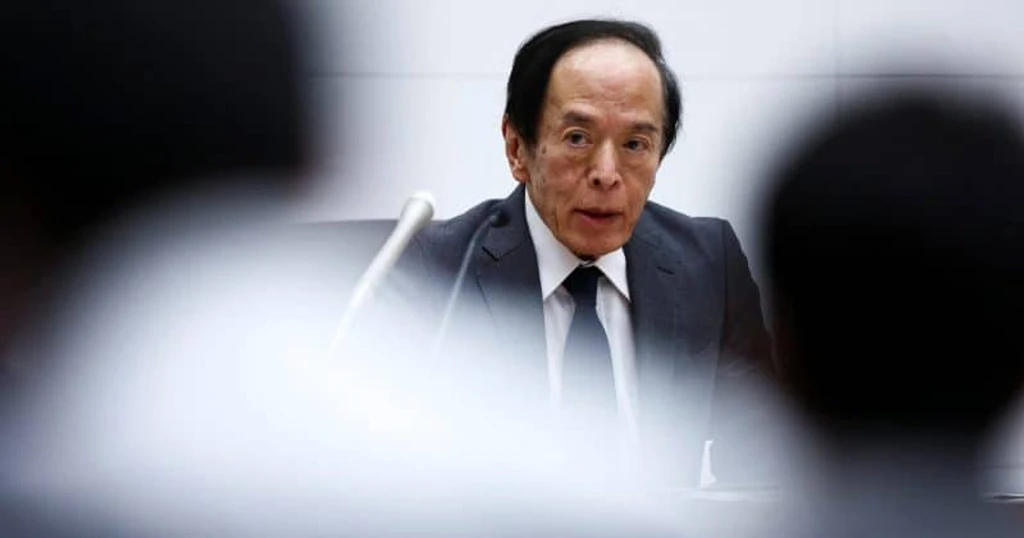
Bank of Japan Governor Kazuo Ueda warned on June 3 that Japan’s fiscal 2026 growth will slow because of surging crude oil prices tied to Middle East tensions, though he maintained the recovery would continue at a moderate pace.
Hours after his speech to business leaders in Tokyo, Ueda was hospitalized, missing the BOJ’s June policy meeting.
Ueda had projected that underlying inflation would gradually approach the 2% target sometime between the second half of fiscal 2026 and fiscal 2027, and he emphasized the need to carefully weigh the benefits and risks of further rate increases. The BOJ had already lowered its growth outlook in April while raising core inflation forecasts.
Before the hospitalization, markets priced in an 80% probability of a rate hike at the June 15-16 meeting. A BOJ hike typically strengthens the yen, hitting exporters and equities; a delay or hold would weaken the yen and boost the Nikkei.
BOJ policy normalization has historically contributed to unwinding the yen carry trade - investors borrowing cheaply in yen to fund higher-yielding assets. The July 2024 surprise BOJ move triggered a sharp global sell-off across assets, including Bitcoin.