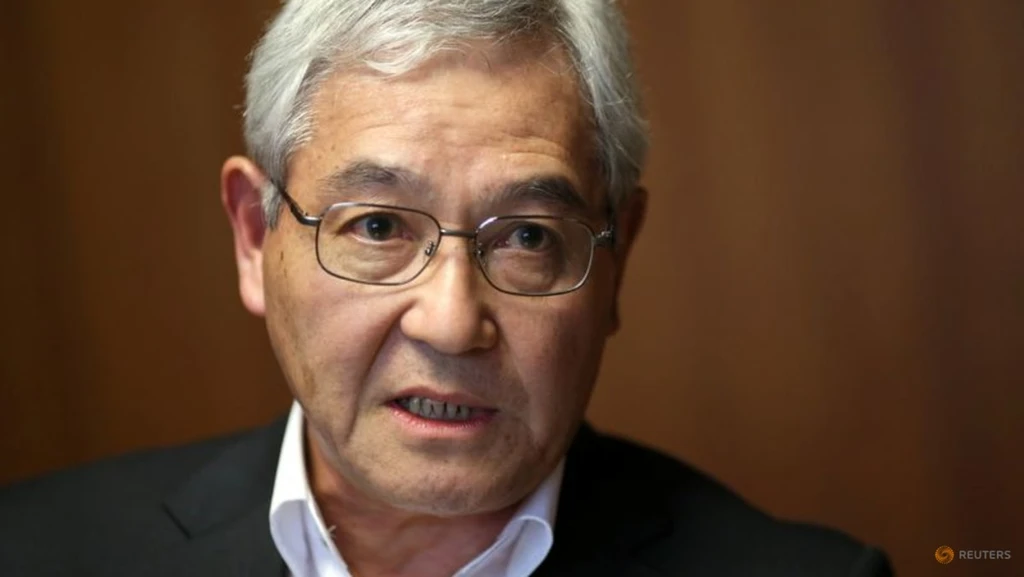
The Bank of Japan may raise interest rates twice by the end of the current fiscal year. Former board member Makoto Sakurai stated Friday that the central bank has fundamentally shifted its policy focus toward mounting inflation risks.
The BOJ recently raised its short-term policy rate to a 31-year high of 1 percent. This move aims to forestall underlying inflation exceeding the 2 percent target, marking a significant departure from previous justifications based solely on sustainable price stability.
Sakurai indicates another hike is virtually locked in for either October or December. If consumer inflation accelerates alarmingly, a second increase could follow by March. However, the bank may wait until December if price rises remain within expectations to avoid pricking asset bubbles.
Corporate profits remain strong and the labor market tight. Consequently, Sakurai argues inflationary risks now outweigh economic downturn concerns. He projects the policy rate could reach 2 percent by early 2028 when Governor Kazuo Ueda’s term ends.
Geopolitical conflict and a weak yen continue to complicate timing. Higher energy costs fuel inflation while squeezing the import-dependent economy. Yet, Sakurai warns that rate hikes alone cannot reverse the yen's weakness without addressing fiscal inconsistencies.
Prime Minister Sanae Takaichi’s expansionary fiscal policy, including a 3 trillion yen extra budget, contradicts monetary tightening efforts. Sakurai cautions that further debt-funded spending could trigger credit rating downgrades. Without aligning fiscal and monetary strategies, Japan faces no clear exit from its currency crisis.