The Bank of England is sounding the alarm on public-sector pay. Governor Andrew Bailey said on June 1 the central bank is closely watching a growing wage gap that could fuel broader inflation.
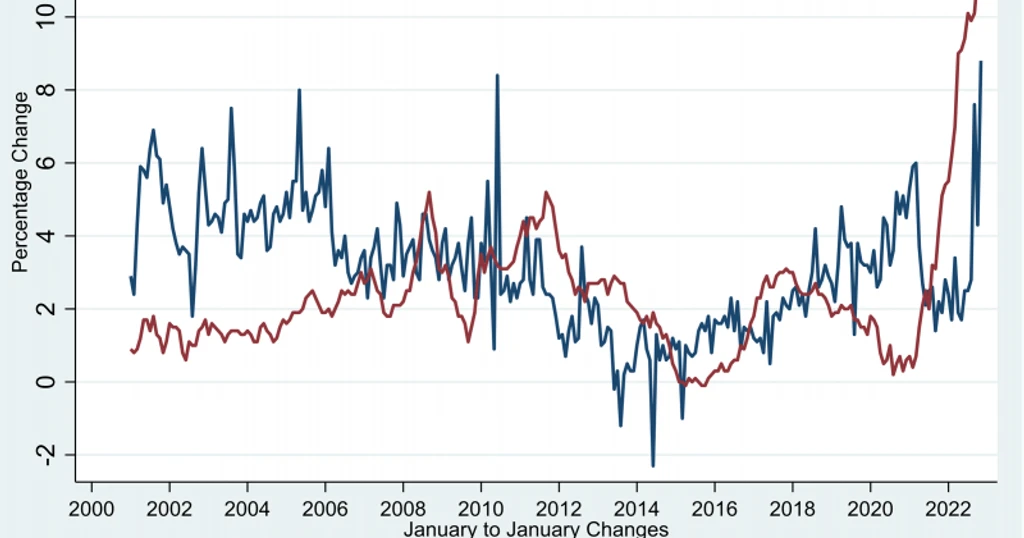
Public-sector wages rose 4.8% year-over-year in Q1 2026, outpacing private-sector growth of just 3.0%. That 1.8 percentage point divergence is the kind of signal that makes central bankers uneasy.
The BoE flagged this trend in its February 2026 Monetary Policy Report, noting public-sector pay peaked at 7.9% in late 2025. Now, with UK CPI inflation at 2.8%-still above the 2% target-the risk is that persistent wage pressures could stall the last mile of disinflation.
Bailey’s warning comes ahead of the next Monetary Policy Committee meeting on June 18, 2026. For investors, the message is clear: above-target inflation and robust public-sector wage growth don't typically pave the way for rate cuts. The deeper concern is whether the public-sector premium will drag private wages higher, complicating the BoE’s path back to target.