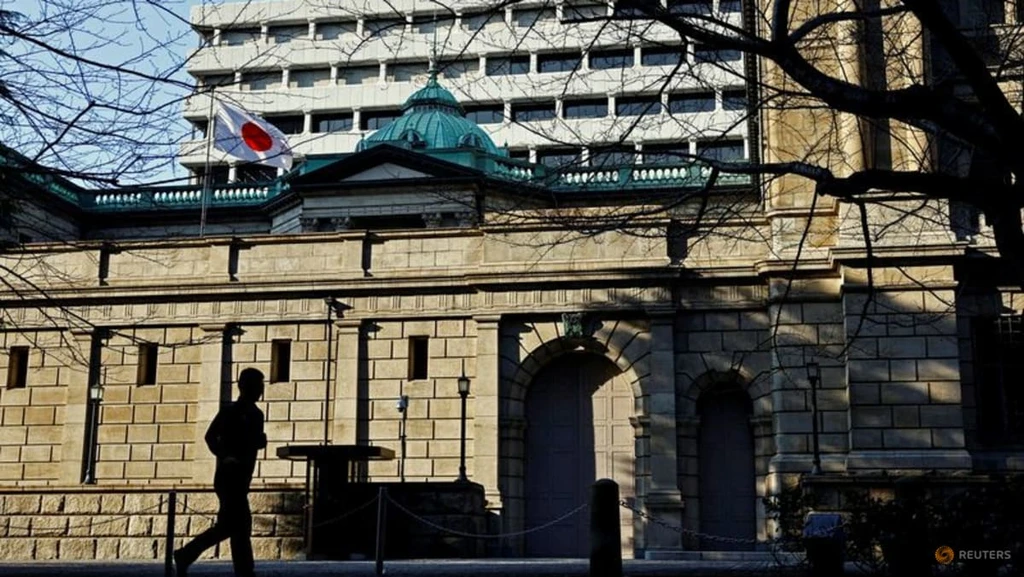
The Bank of Japan is likely to raise interest rates by July, according to former board member Seiji Adachi. He cites mounting inflationary pressure, exacerbated by soaring oil costs from the Middle East conflict, as the primary driver.
Underlying inflation has already met the central bank's 2% target, with corporate inflation expectations reaching 2.5%. Adachi believes the BOJ must act to avoid falling behind the curve.
He suggests a neutral rate for Japan is around 1.25%, advocating for a prompt increase from the current 0.75% policy rate. However, Adachi notes a 50-50 chance for an April hike due to market volatility from the Middle East war and its uncertain economic impact on Japan.
Political considerations may also influence the decision. The appointment of two reflationists to the BOJ board by Prime Minister Sanae Takaichi suggests potential opposition to near-term rate hikes, as they could increase corporate borrowing costs and conflict with investment growth initiatives.
Adachi anticipates the BOJ will aim for two rate hikes this year, bringing the policy rate to neutral levels. A protracted Middle East conflict could necessitate a faster pace of rate increases to counter a significant oil shock and lift real borrowing costs out of negative territory.