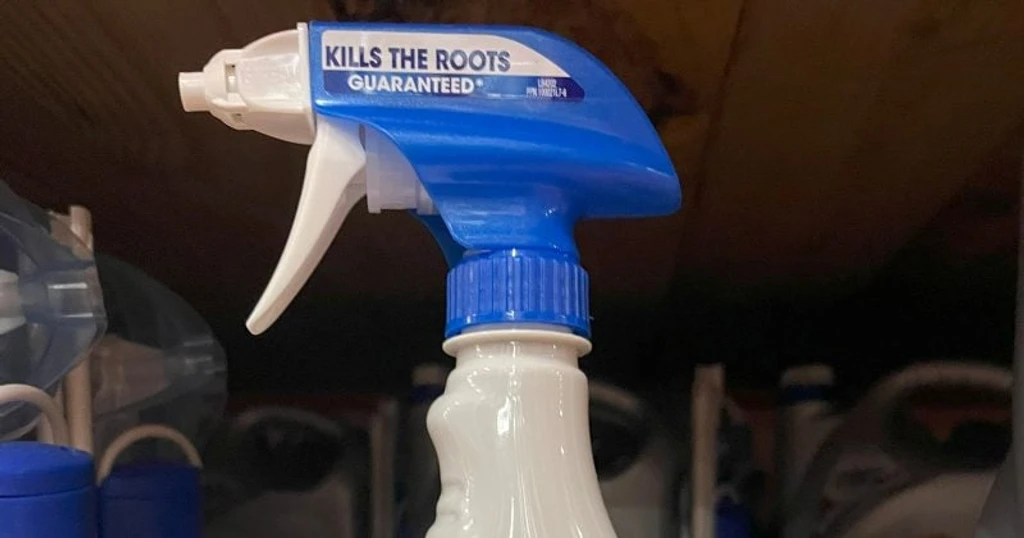
The US Supreme Court handed Bayer AG a major victory on June 25, 2026, ruling that federal pesticide law blocks state-level lawsuits seeking to hold the company liable for failing to warn consumers about alleged cancer risks from its Roundup herbicide. Shares of Bayer jumped roughly 20% on the news.
The case, Monsanto v. Durnell, asked whether a consumer could sue under state tort law for a warning that the Environmental Protection Agency never required. The Court said no, finding that the Federal Insecticide, Fungicide, and Rodenticide Act (FIFRA) gives the EPA exclusive authority over pesticide labeling. The EPA has repeatedly concluded that glyphosate, Roundup’s active ingredient, is not carcinogenic. Because federal law already governs what warnings must appear, state-law failure-to-warn claims are preempted.
Bayer inherited the Roundup liability when it acquired Monsanto in 2018 for about $63 billion. Thousands of lawsuits alleged glyphosate caused non-Hodgkin lymphoma and other cancers, with early trials producing large damages awards. The Supreme Court ruling does not reverse settled cases or final judgments, but it removes the central legal theory behind most pending claims.
The decision reinforces that an EPA approval carries significant legal weight, elevating the agency’s scientific conclusions above state jury determinations. It is expected to affect other pesticide manufacturers operating under FIFRA and may fuel legislative debate, particularly in states like California that have pushed for stricter labeling requirements.