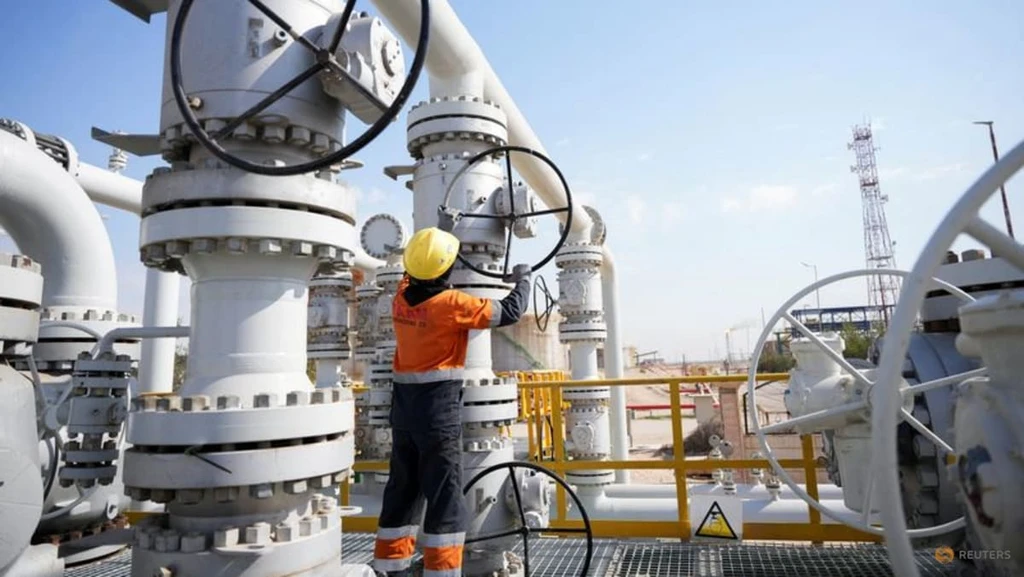
A supply shock from the Strait of Hormuz closure is cutting 11 million barrels of oil per day from global markets-over 10% of supply. Unlike the demand collapse of 2020, this is a supply crisis with equally dire consequences: higher transport costs, slowed economic activity, and household budget pressure.
Diesel and jet fuel shortages are the first to emerge. Diesel fuels trucks, ships, farm machinery, and construction equipment-so its scarcity disrupts food supply chains, mining, and global trade. Petrol shortages will follow, then all petroleum products.
Oil is not just fuel. It’s essential for plastics, fertilizers, chemicals, and synthetic materials. Disruptions ripple across electronics, packaging, construction, and clothing.
Emergency stockpiles in the U.S., China, and Japan offer temporary relief-but they’re not sustainable. Developing nations in Asia, Africa, and Latin America face severe inflation and instability with minimal reserves.
Export restrictions by China and others are worsening shortages. A U.S. export ban-like the one in place until 2015-would trigger global price spikes, especially in Europe.
If the Strait remains closed or conflict escalates, losses could hit 20 million barrels daily. The result: soaring inflation, restricted air travel, and economic stagnation-possibly worse than the pandemic.
Adi Imsirovic, Lecturer in Energy Systems at the University of Oxford.