Tokyo, Japan - Core inflation in Japan's capital hit a four-year low in April, staying below the Bank of Japan's 2% target for the third consecutive month. The Tokyo core consumer price index, which excludes volatile fresh food costs, rose just 1.5% from a year earlier, slower than the 1.7% gain in March and well below the market forecast of 1.8%.
The slowdown is largely attributed to government subsidies that curbed utility bills and tuition costs. Energy costs fell 4.6% year-on-year in April, following a 7.5% drop in March. However, analysts warn this relief is temporary.
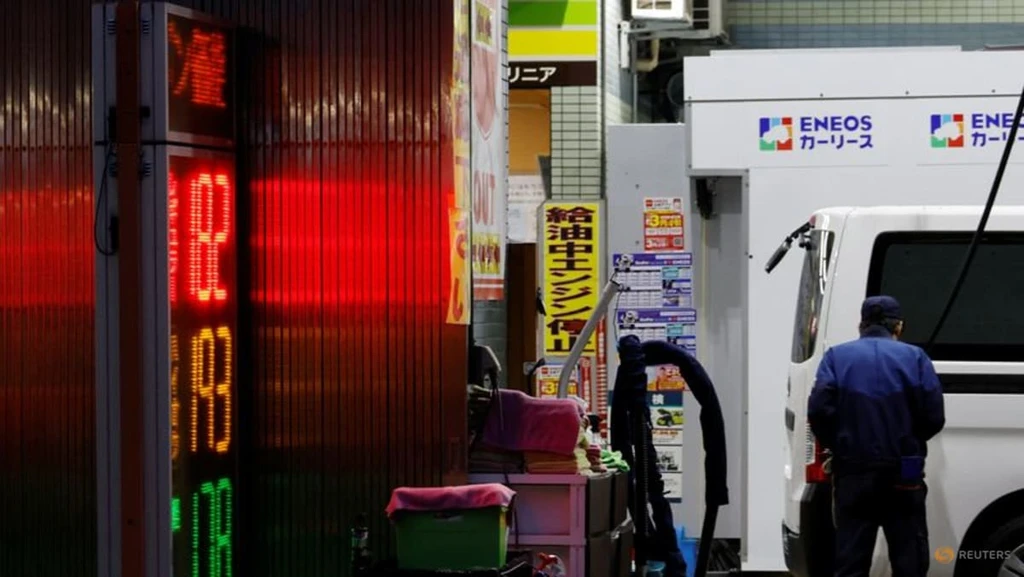
The Bank of Japan is now under mounting pressure to raise interest rates as surging oil prices from the Middle East conflict and a weak yen push import costs higher. The BOJ kept rates steady this week but signaled a potential hike as soon as June.
Japan conducted its first yen-buying intervention in nearly two years on Thursday, sending the currency up by as much as 3%, underscoring policymakers' concern over rising living costs. The U.S.-Israeli war with Iran has further complicated the BOJ's decision by adding inflationary pressure through rising fuel costs, hitting an economy heavily reliant on oil imports.
Economists expect core inflation to re-accelerate in the coming months, driven by cost-push factors from the geopolitical crisis. A private survey showed Japanese manufacturers saw input cost inflation surge to a three-and-a-half-year high in April, with supply chains deteriorating at the steepest rate in 15 years.