Over the past few months, gold has behaved more like a rollercoaster than a stable safe haven. In late January, its price hit an all-time high near US$5,600 per ounce, but has since dropped by about 20%. A major conflict in the Middle East exacerbated this decline.
While gold has traditionally been seen as a safe haven during financial crises, recent events show its effectiveness diminishing. During the 2008 financial crisis and the S&P downgrade in 2011, gold remained relatively stable. However, today’s energy shock is different. Investors are selling gold to cover losses and rebalance portfolios, leading to price volatility.
Gold lacks the essential intrinsic value of commodities like oil, which is crucial in times of crisis. Additionally, the rise of financialization has increased gold’s exposure to market shocks. Investors now use derivatives and ETFs, making gold’s price more susceptible to speculative pressures.
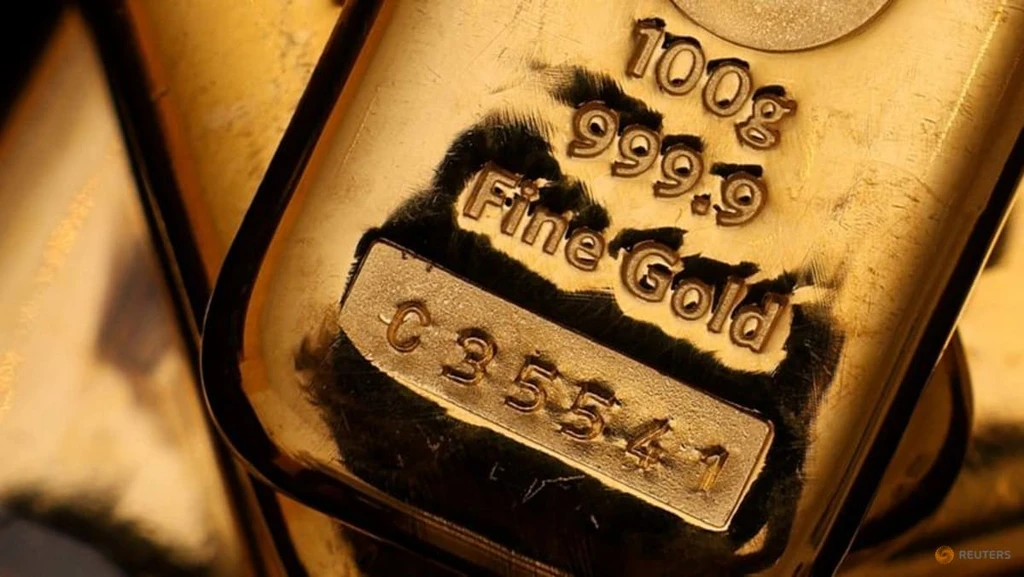
FILE PHOTO: UK gold bullion bars are stacked at Baird & Co in Hatton Garden in London, Britain, October 8, 2025. REUTERS/Hiba Kola/File Photo