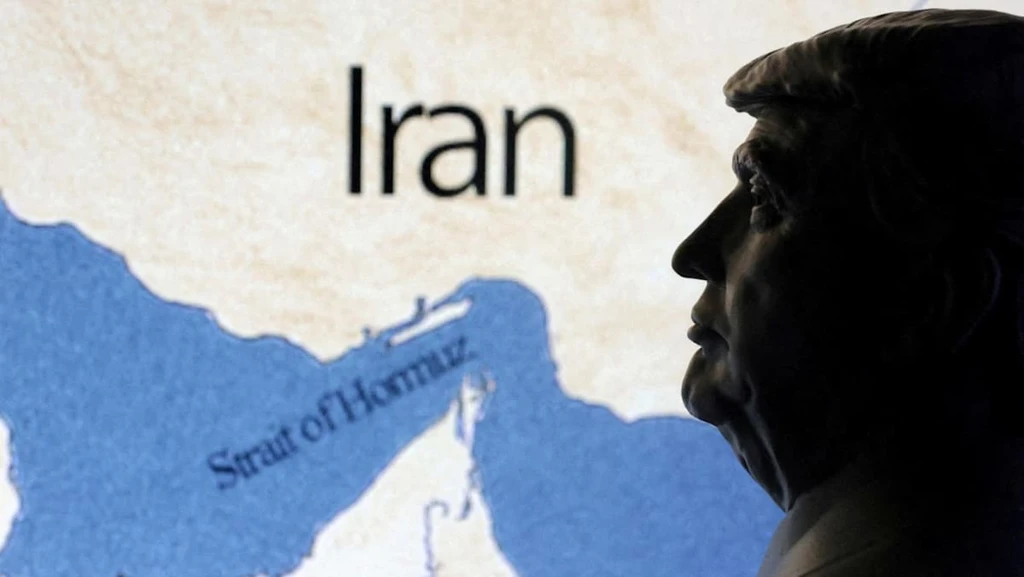
The White House faces a critical juncture as escalating global conflict threatens to drive oil prices sky-high, leaving President Donald Trump with few effective tools to counter the surge.
While emergency reserve releases and pipeline rerouting have provided temporary relief, the market is poised to add significantly to oil prices for each day the conflict persists. Experts warn that without intervention, soaring energy costs could inflict serious economic damage.
The administration's options are limited. Scrapping federal fuel taxes or waiving environmental rules for gasoline could buy domestic time but wouldn't address international price impacts. An export ban on US oil, while potentially lowering domestic prices, would dramatically increase global prices, a move considered a significant mistake.
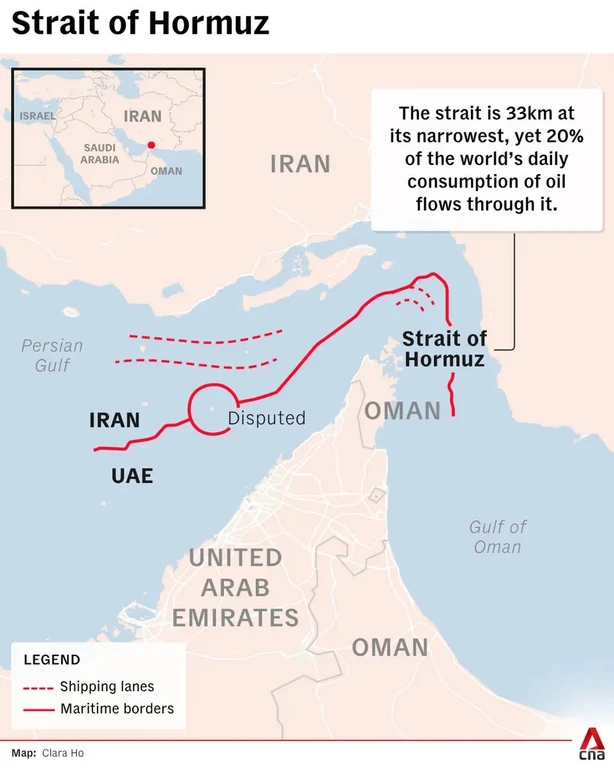
The only durable solution remains the reopening of the Strait of Hormuz, contingent on the end of hostilities. The conflict's current duration has had a minimal impact on the global economy thus far, with West Texas Intermediate prices not sustaining levels above $100 a barrel. However, a prolonged conflict extending into months could lead to stratospheric oil costs, stoke inflation, and significantly reduce GDP forecasts, raising the risk of stagflation.