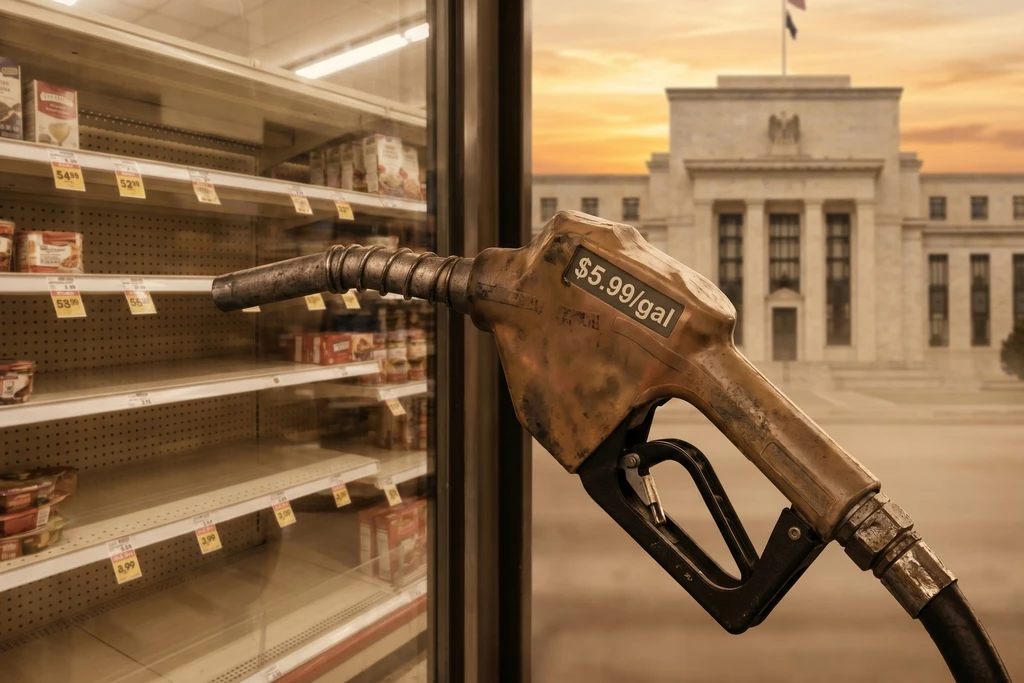
Consumer prices climbed again in April as the Iran war kept gas prices elevated. The Bureau of Labor Statistics reported the Consumer Price Index rose 0.6% from March and 3.8% year-over-year, both above forecasts.
Gas prices jumped 5.4% for the month, following a record 21.2% spike in March, and are up 28.4% over the year. Energy, shelter, and food costs also increased, while new vehicles and medical care saw declines.
Beyond the pump, supply chains for fertilizers, metals, and freight face disruptions, threatening to push up groceries and housing, according to Thrivent's John Groton.
"Core" inflation-excluding volatile energy and food-rose 0.4% in April and is up 2.8% year-over-year, highlighting energy's outsized impact on the overall figure.
Consumer sentiment hit a record low, per the University of Michigan's gauge. Yet spending remains resilient, driven by high-income earners in a K-shaped economy. But low-income workers are pulling back, warned LinkedIn's Kory Kantenga, raising concerns that if price spikes continue, businesses may need to rethink growth and hiring.
The Federal Reserve has held rates steady in 2026. Forecasters now see a possible rate hike amid stable unemployment and job growth. With Jerome Powell's term ending May 15, President Trump's pick Kevin Warsh is expected to be confirmed as Fed chair before the next FOMC meeting.