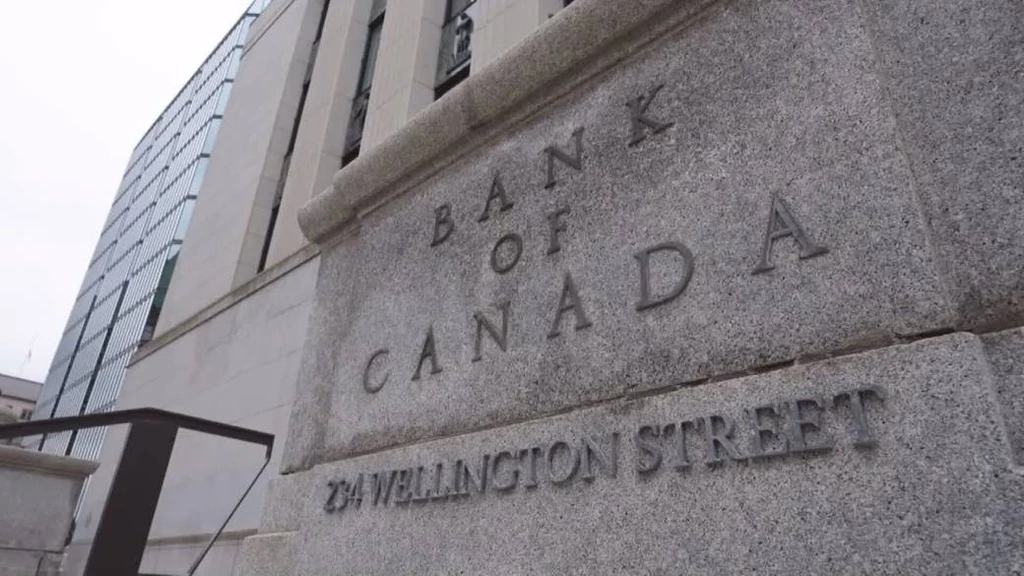
An increasing number of parents are co-signing mortgages for their adult children, a practice that has seen a significant rise. Analysis from the Bank of Canada indicates that the share of mortgages co-signed by parents for first-time homebuyers grew from about four percent in 2004 to approximately eleven percent in 2025. This trend is particularly pronounced in expensive housing markets like Toronto and Vancouver, where affordability pressures are highest.
Co-signing allows adult children to secure larger mortgages than they could on their own. While it can be a pathway to homeownership, experts caution that it carries considerable risks. Co-signing means becoming fully liable for mortgage payments. If the primary borrower cannot pay, the co-signing parent is financially responsible. This also means the parent legally has a say in the ownership of the home, impacting decisions like selling or refinancing.
Financial experts note that the impact of a missed mortgage payment can severely damage both the child's and the co-signor's credit history. In some cases, parents may end up responsible for not only the mortgage but also property taxes and homeowner's insurance. This practice underscores the significant housing affordability challenges facing younger Canadians, raising concerns about their financial independence.