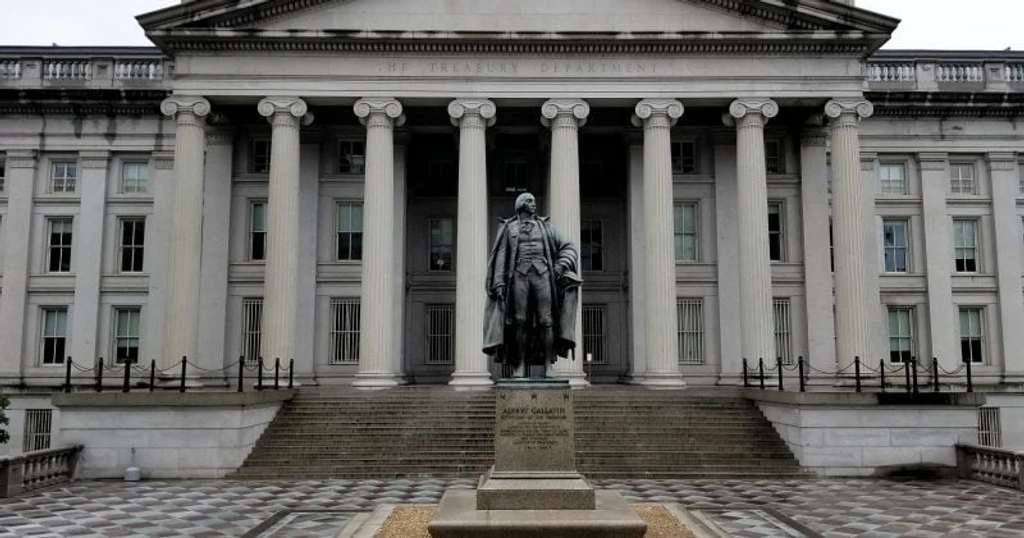
The U.S. government spent $723 billion on interest payments in the first eight months of fiscal year 2026, making net interest the second-largest federal spending category, trailing only Social Security.
The Congressional Budget Office forecasts net interest for FY2026 will exceed $1 trillion. By FY2036, interest costs could rise to $2.1 trillion, potentially consuming a quarter of all federal revenue.
Net interest costs have nearly tripled since FY2020, driven by extensive pandemic-era borrowing and rising interest rates.
As existing debt rolls over with higher yields, interest payments continue to climb. This creates a feedback loop that complicates budgetary decisions.
For investors, higher interest payments limit Congress's ability to cut spending or raise taxes. Rising Treasury supply drives yields higher, lowering bond prices and increasing borrowing costs. Equity markets face the impact of sustained high rates, compressing valuations and future earnings potential.