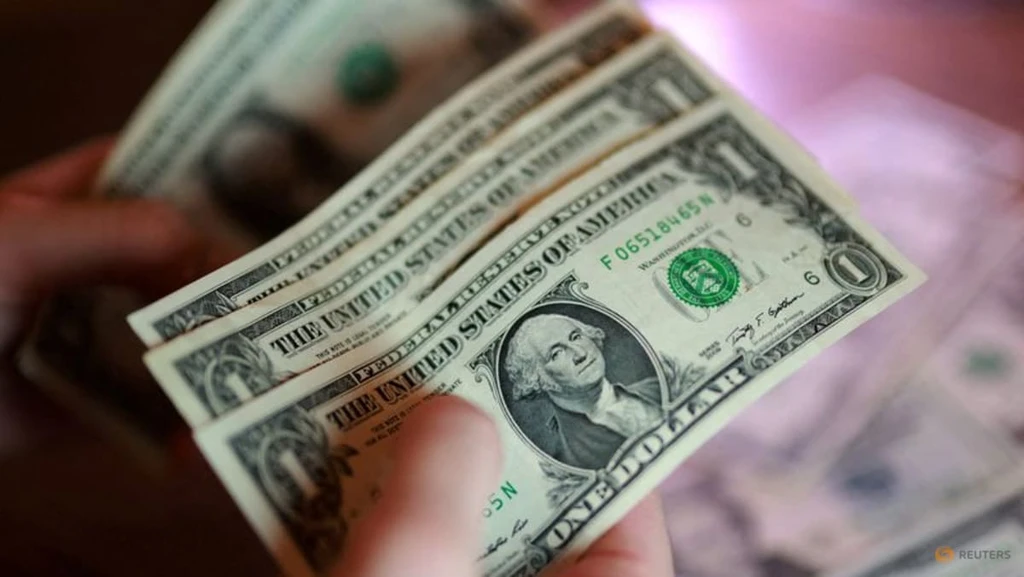
The U.S. dollar remains on track for its largest monthly gain since July of last year. This strength stems from heightened tensions in the Gulf region and investor anticipation of critical U.S. jobs data.
Geopolitical friction between the U.S. and Iran has renewed concerns about energy shipping through the Strait of Hormuz. This conflict is contributing to inflation pressures and supporting safe-haven demand for the dollar.
Market expectations for U.S. interest rate cuts have also been revised. This shift follows a hawkish tone from Federal Reserve Chair Kevin Warsh and a global equity selloff, which is driving capital flows into the dollar.
Investors are now focused on upcoming U.S. non-farm payroll and unemployment reports. These figures will provide crucial insight into the labor market's health and the future path of Fed policy.
The European Central Bank's annual forum is also in focus. A policy panel featuring Fed Chair Warsh and ECB President Christine Lagarde could offer further clarity on central bank direction.