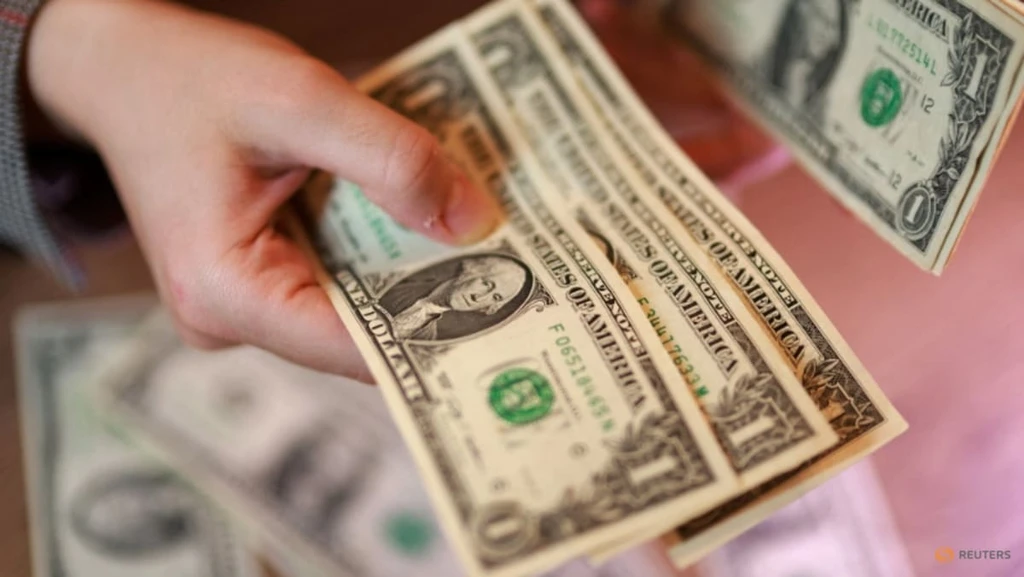
The U.S. dollar edged higher on Tuesday as investors weighed cautious hopes for a Middle East peace deal against expectations the Federal Reserve could raise interest rates to combat energy-driven inflation.
President Donald Trump said Monday there is now a "very good chance" of reaching a deal to limit Iran's nuclear program. Oil prices fell 2 percent on Tuesday following his remarks.
"There are reasons why the dollar has not strengthened back to the levels seen in March," said Paul Mackel, global head of forex research at HSBC, noting that global risk sentiment has recovered and the market is not pricing an aggressive Fed hiking cycle.
According to the CME FedWatch tool, investors now see a 48.5 percent chance the Fed raises rates in December and a 98.8 percent chance it holds rates steady at its June meeting.
The U.S. dollar index was up 0.2 percent at 99.18. The euro fell 0.2 percent to $1.1633.
Against the yen, the dollar was up 0.15 percent at 159.10 after data showed Japan's economy grew 2.1 percent annualized in Q1, supporting expectations for a Bank of Japan rate hike in June.
The Australian dollar dropped 0.5 percent to $0.71345, while the kiwi slipped 0.4 percent to $0.5854.