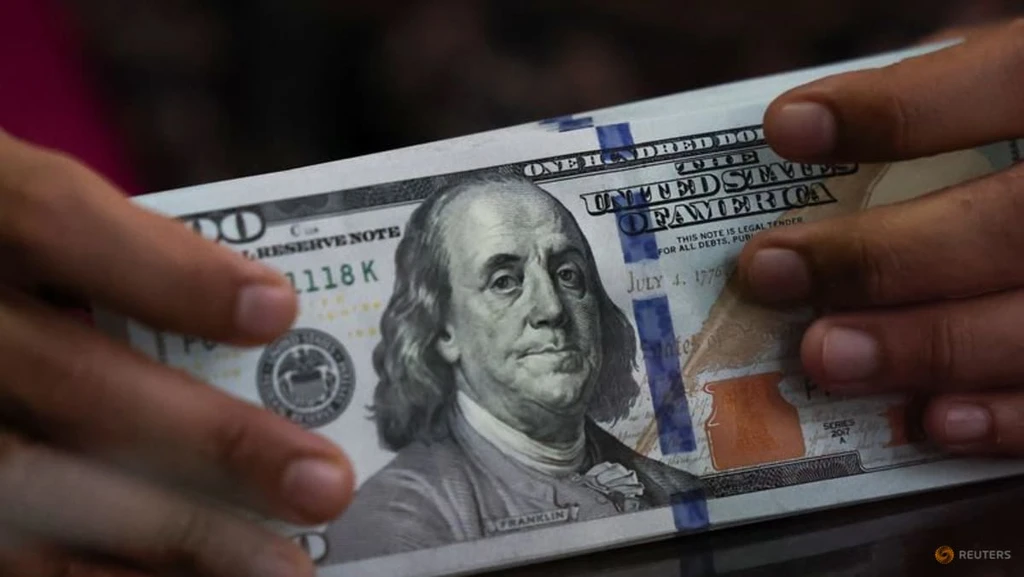
The U.S. dollar and Japanese yen faced pressure as global markets awaited clarity on U.S.-Iran ceasefire talks. Investors are positioned for potential shifts towards riskier currencies should a deal emerge to reopen Gulf shipping lanes.
The fate of Iran peace talks remains uncertain as the current ceasefire nears expiration, with heightened tensions prior to potential diplomatic breakthroughs.
Despite the uncertainty, market participants anticipate a U.S.-Iran agreement, citing motivations from both sides. U.S. President Donald Trump indicated ongoing negotiations are progressing, suggesting terms could be more favorable than past accords.
The euro traded near $1.1782 and sterling at $1.35225, experiencing slight declines. The Australian dollar also weakened.
The dollar index, a measure against major currencies including the yen and euro, remained steady after a prior day's dip, reflecting a market in a 'wait-and-see' mode.
The yen hovered near the 160 per dollar level, a key threshold for potential currency intervention. The Bank of Japan is expected to maintain its current interest rate policy next week, influenced by an uncertain economic outlook tied to the ongoing Middle East conflict.
Conversely, the New Zealand dollar strengthened following its first-quarter inflation rate holding steady at 3.1%, exceeding the central bank's target and signaling potential future rate hikes.
In the U.S., Federal Reserve nominee Kevin Warsh is set to affirm his commitment to monetary policy independence during his Senate confirmation hearing. Attention is also directed towards upcoming U.S. retail sales data for March.