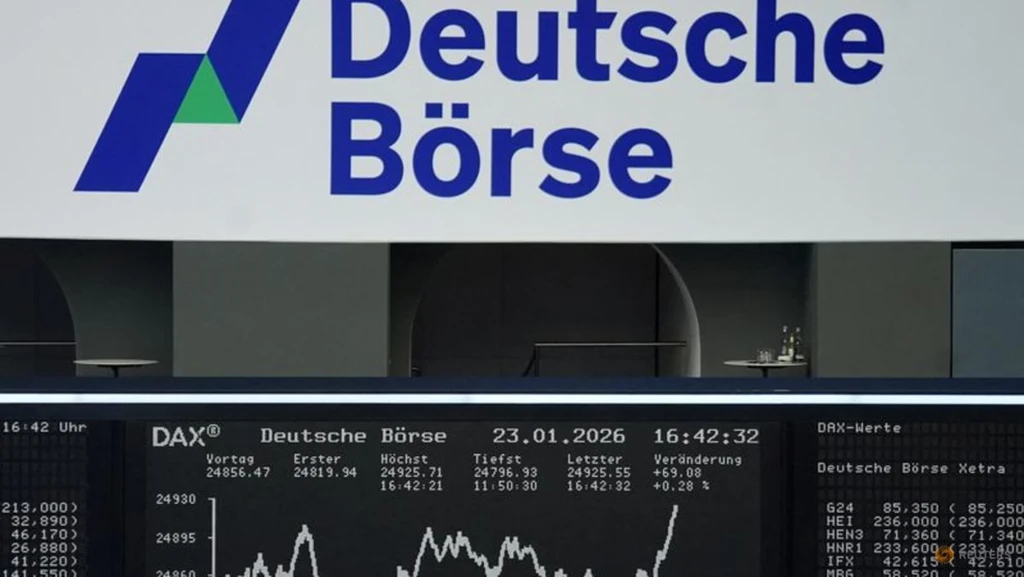
European markets showed resilience Thursday, edging higher despite escalating tensions in the Middle East. Iran's missile launches at Israel early Thursday sent oil prices climbing again. U.S. Energy Secretary Chris Wright deemed the market impact a "small price" for military objectives, while the IMF warned of global economic strain.
Reports of potential de-escalation talks, citing a New York Times article, initially boosted European indexes, but the euro, pound, and bond markets remained under pressure as oil prices hovered around $83. Trevor Greetham of Royal London Asset Management expressed skepticism about stock market recoveries, suggesting the situation could persist.
Asian markets experienced significant volatility. South Korea's KOSPI index surged nearly 10 percent, reversing earlier losses after President Lee Jae Myung activated a $68 billion market stabilization fund. Japan's Nikkei rose almost 2 percent, and Chinese shares climbed nearly 1 percent following Beijing's announcement of an economic growth target.
Concerns over energy supply continued to drive oil prices, with Brent crude trading around $83 per barrel. Ship-tracking data indicated significant disruption in the Strait of Hormuz. Rising natural gas prices prompted bond investors to adjust expectations on global interest rate cuts. The U.S. 10-year Treasury yield rose, and the dollar strengthened against a basket of currencies.