Emmanuel Moulin, nominee for governor of the Banque de France, warned on May 20 that surging oil prices are no longer confined to energy sectors. Brent crude has climbed to roughly $124 per barrel, its highest level in four years, driven by Middle Eastern geopolitical tensions. This spike is now visibly raising prices across goods and services in the euro area.
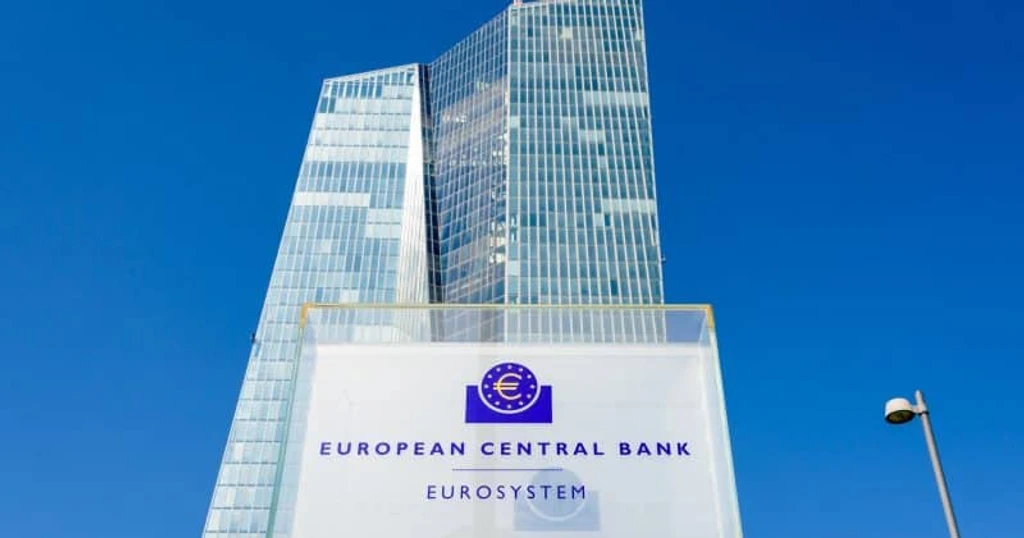
Euro area inflation approached 3% as of April 2026. The European Central Bank raised its benchmark interest rate from 2% to 2.25%, marking the first hike in nearly three years. Vice President Luis de Guindos previously signaled that future rate decisions would hinge on whether these oil-driven effects persist in broader price categories.
Moulin flagged a critical risk: cost increases are spreading into general categories. If workers demand higher wages to keep up, businesses may pass those costs back to consumers, creating self-reinforcing inflation. The euro area is particularly vulnerable as a net energy importer, lacking the domestic production cushion available to the US.
The implications for financial markets are direct. Higher rates tend to weigh on equity valuations, especially in growth-sensitive sectors, while benefiting bank margins and fixed-income yields. However, the ECB faces a delicate balance; raising rates fights inflation but squeezes an economy already under pressure before the oil shock.
Moulin emphasized data-driven decision-making, suggesting the ECB will adopt a meeting-by-meeting approach rather than committing to a predetermined path. Investors must remain vigilant for secondary inflationary effects in upcoming June policy meetings.