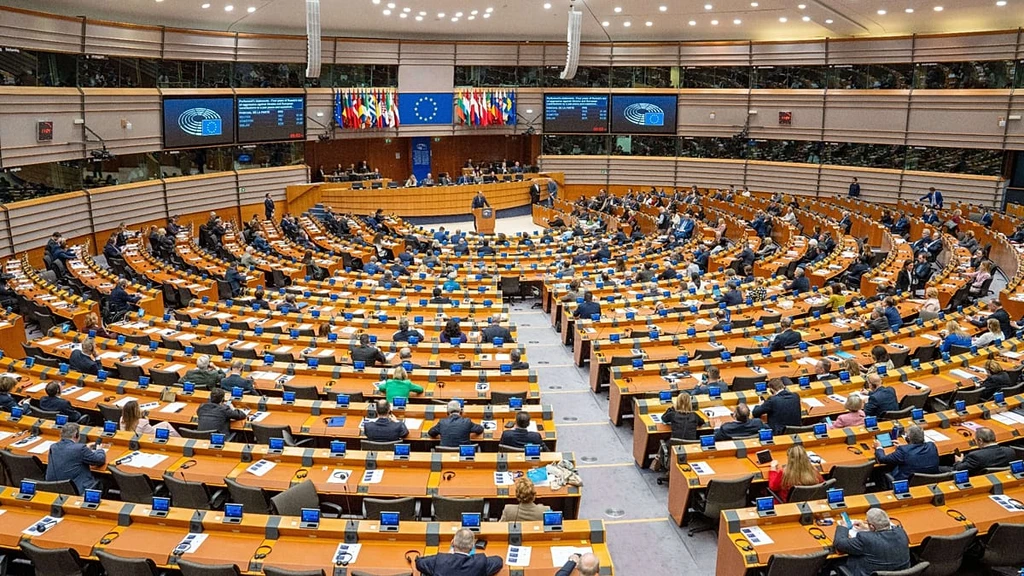
EU lawmakers have cleared a critical political obstacle in the digital euro’s path to approval.
Parliamentary rapporteurs reached agreement on a unified design allowing the digital euro to function both online and offline-ending months of deadlock.
The digital euro, an electronic form of central bank cash issued by the European Central Bank, is intended to complement physical banknotes and commercial bank payments.
The breakthrough follows centre-right rapporteur Fernando Navarrete’s withdrawal of his proposal to limit the digital euro to offline use only-a stance that had stalled negotiations since late 2025.
Political urgency has grown amid rising EU-U.S. economic tensions and concerns over European dependence on American payment giants like Visa and Mastercard.
EU leaders now aim to finalize legislation by end-2026. With the Council of EU countries already aligned, Parliament is the final institution needed to advance the law.
Key unresolved issues remain: user “hold limits” on wallet balances and a compensation model for commercial banks providing digital euro services.
A vote in Parliament’s economy committee is expected before summer.