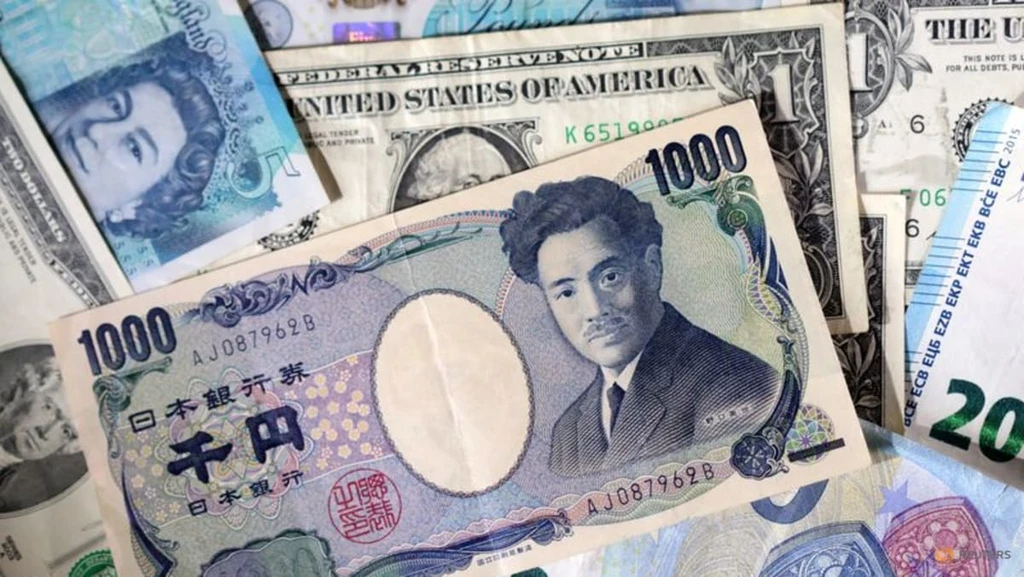
The euro and yen weakened Monday as a widening Middle East conflict and surging oil prices heightened global economic anxieties. The U.S. dollar strengthened as investors sought safety.
Escalating air and missile exchanges between Iran, Hezbollah, and Gulf states, including attacks on oil facilities, sent Brent crude futures soaring by as much as 13 percent before settling higher. Qatar halted LNG production, prompting wider precautionary shutdowns.
Europe and Japan face greater exposure to higher energy costs than the U.S., a net energy exporter. The dollar index rose 0.59 percent, with the euro down 1.08 percent and the yen falling 1.1 percent against the dollar.
Despite market volatility, the Bank of Japan indicated it would not delay interest rate hikes. Uncertainty surrounding the conflict's duration and potential outcomes fueled the dollar's safe-haven appeal. Concerns that inflation will delay Federal Reserve rate cuts also bolstered the greenback, pushing expectations for a cut to September.
The Swiss franc reached multi-year highs against the euro, prompting intervention warnings from the Swiss National Bank. The Australian dollar also weakened against the U.S. dollar.
In cryptocurrencies, Bitcoin saw a notable gain, rising 5.43 percent.