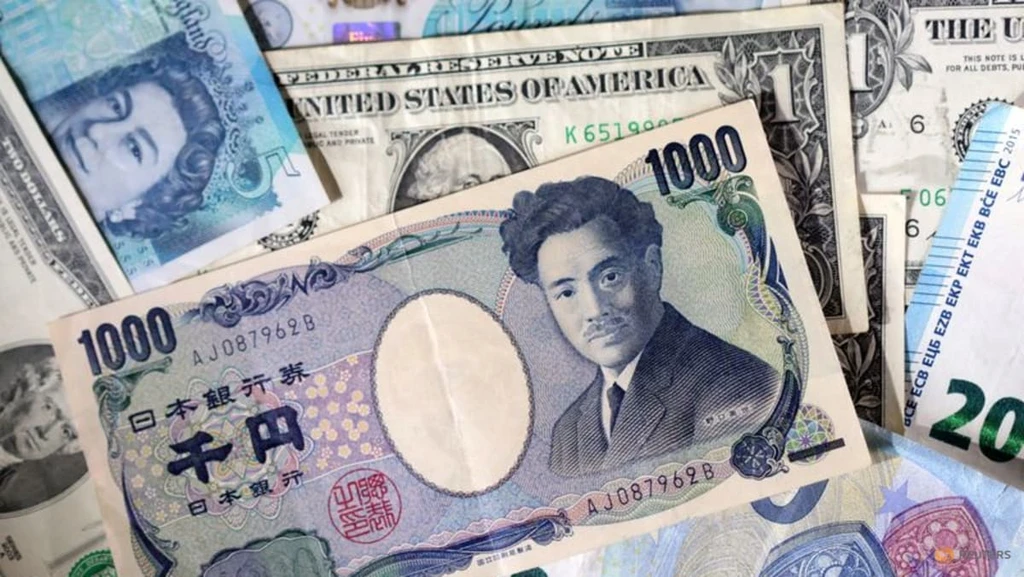
The euro and yen weakened Monday as escalating Middle East conflict and rising oil prices impacted currencies most exposed to energy costs. The dollar surged as a safe-haven asset amid concerns over widening conflict, with Brent crude futures rising significantly. Qatar halted liquefied natural gas production, prompting precautionary shutdowns across the Middle East. Europe and Japan face greater exposure to higher energy prices compared to the U.S., a net energy exporter.
The dollar index climbed, with the euro falling against the greenback. The Japanese yen also weakened significantly versus the U.S. dollar. The Bank of Japan indicated market volatility would not deter interest rate hikes. Uncertainty surrounding the conflict's duration and outcome bolstered the U.S. currency. U.S. President Trump stated the Iran attack aimed to thwart nuclear and ballistic missile programs. Concerns that higher inflation may delay Federal Reserve interest rate cuts further supported the dollar.
The Swiss franc reached a decade-high against the euro, prompting intervention by the Swiss National Bank. The Australian dollar weakened against the U.S. dollar. In cryptocurrencies, Bitcoin saw a notable gain.