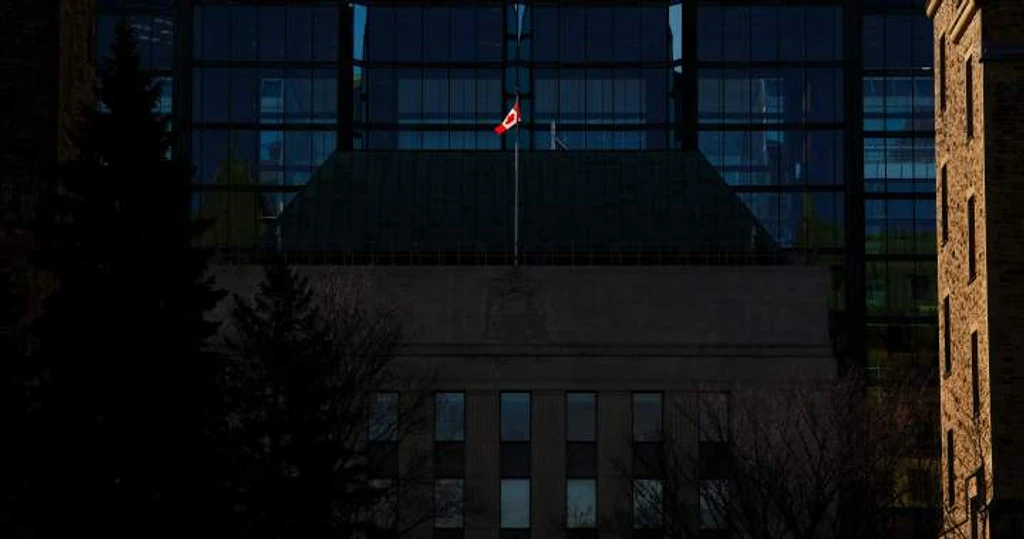
A Bank of Canada survey indicates a sharp decline in Canadian firms expecting a recession in the 12 months ahead. In February, before the Iran war began, the percentage of firms planning for a recession dropped from 22 to nine percent, the lowest since the survey's inception in 2023.
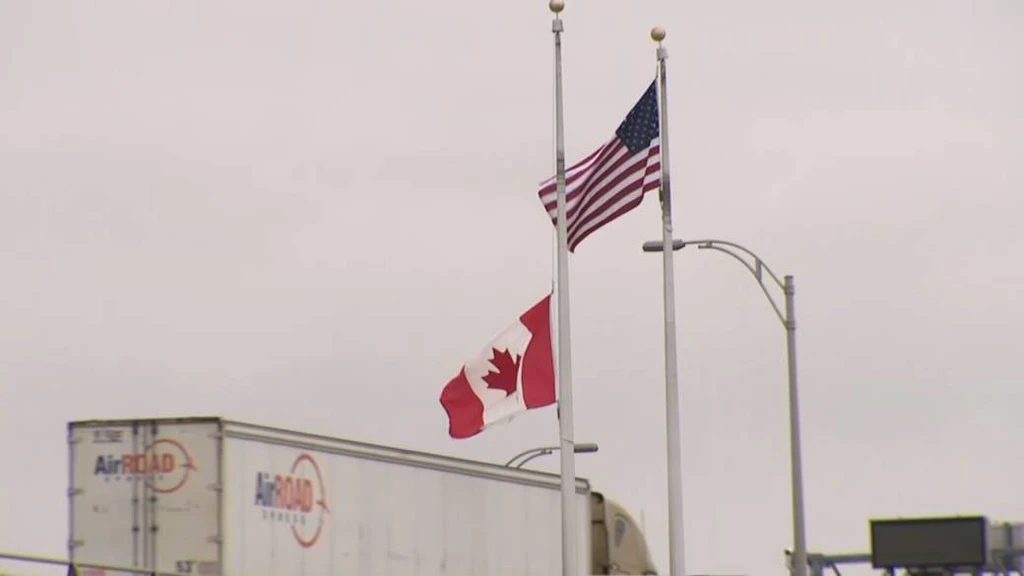
This shift occurred when concerns over trade tensions and tariffs were at their peak. The survey, conducted between February 5 and 25, noted that trade tensions were weighing less on business outlooks. Fewer companies reported impacts on expected sales or costs, suggesting firms were better positioned for economic shocks.
Despite overall improvements, businesses in or serving industries affected by export tariffs or U.S. trade policies still face challenges. Uncertainty around the U.S.-Canada trade relationship showed fewer firms hesitant to enter the U.S. market or use Canadian suppliers. However, most businesses revised upward expectations for input prices, citing fuel, freight, fertilizers, and exchange rates.
The war in Iran, which began February 28, has sent shockwaves through global supply chains. Experts suggest Canadians are unlikely to see immediate notable changes in food, fuel, or oil prices. Canada remains the world's largest potash producer, a key fertilizer mineral.