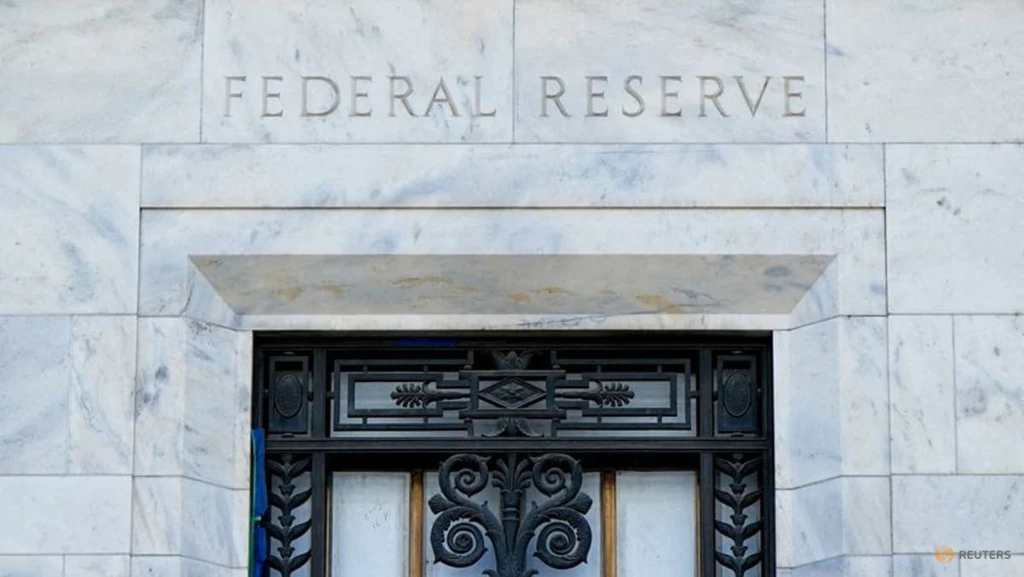
U.S. Federal Reserve officials are confronting the rapid and uncertain economic shifts driven by artificial intelligence. A key concern is AI's potential impact on the labor market and inflation, with a notable divide emerging among policymakers.
The recent announcement by tech firm Block to lay off 40% of its workforce due to AI integration underscores the potential for significant job displacement. Traditionally, rising layoffs prompt looser monetary policy. However, the AI transition presents a different challenge, as officials suggest higher unemployment rates might become expected, with displaced workers facing longer job searches and continued upward pressure on inflation due to higher capital returns and wages for those remaining employed.
Adam Posen, president of the Peterson Institute for International Economics, argues that AI's immediate effect is a positive real shock primarily in the form of income gains, with minimal disinflation. He contends that those viewing AI as a near-term disinflationary force are mistaken, predicting further price pressures.
Conversely, Fed chair nominee Kevin Warsh believes interest rates should be lowered to account for AI-driven productivity gains that could curb inflation. He described AI as a "significant disinflationary force" in a November op-ed, suggesting the Fed accommodate this with lower rates, drawing a parallel to former Fed Chair Alan Greenspan's approach in the mid-1990s.
However, many Fed policymakers express caution. They question how quickly AI will alter staffing practices and whether historical patterns of job creation outweighing displacement will hold true. A recent thought exercise from Citrini Research, warning of potential job losses, caused a brief stock selloff, reflecting investor unease about AI's disruptive potential. Block's announcement highlights AI's ability to impact white-collar tasks like coding and data analysis, not just blue-collar jobs.
Fed research on AI, machine learning, and related topics has surged since ChatGPT's release in late 2022. Minutes from the Fed's January meeting reveal extensive discussions on AI's implications for monetary policy. Despite acknowledging potential productivity gains, policymakers are hesitant to credit AI as the sole driver, attributing some growth to more mundane efficiencies. The prevailing view leans towards AI causing structurally higher unemployment, which lowering rates might not effectively address without risking increased inflation.
Fed Governor Lisa Cook noted that AI-driven productivity growth could sustain strong economic expansion even with increased labor market churn. She cautioned that monetary policy designed for demand-side issues may not resolve AI-induced unemployment without exacerbating inflationary pressures.
While some, like Evercore ISI Vice Chair Krishna Guha, suggest a potential decrease in the natural unemployment rate due to reduced worker bargaining power, leading to downward inflation pressure, public comments from Fed officials paint a complex picture. They acknowledge job pressures for some, new productive potential for others, wealth gains fueling consumption, resource constraints, and high expected investment returns influencing underlying interest rates.
Richmond Fed President Tom Barkin summarized the uncertainty, stating, "Whether they are going to be too optimistic or too pessimistic you'll have to sort out as you go."