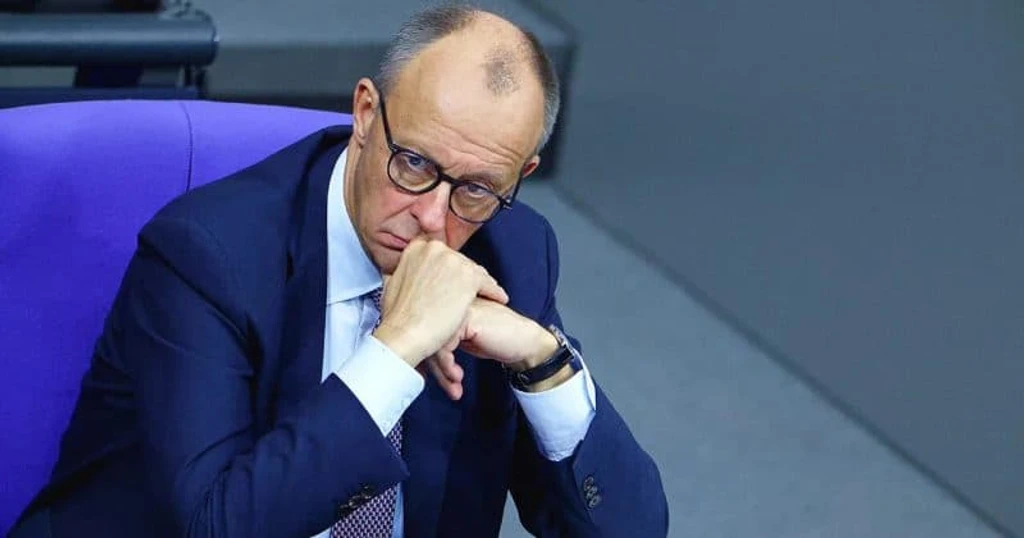
The European Union’s goods trade deficit with China reached €360 billion in 2025, a nearly 20% year-over-year increase that places German Chancellor Friedrich Merz in a precarious political position. Germany alone accounts for €90 billion of this shortfall, representing a 33% annual surge that Merz has publicly deemed unhealthy.
Despite bilateral trade exceeding €250 billion, German automotive exports to China have collapsed roughly 66% from their 2022 peaks. The European Commission is currently pushing stricter measures against Chinese overcapacity and state subsidies, particularly in the electric vehicle sector where Beijing-backed manufacturers dominate global pricing.
Merz remains hesitant to fully endorse Brussels' aggressive stance due to intense pressure from domestic industry giants. Volkswagen, Mercedes-Benz, and BMW warn that tariffs could trigger retaliatory measures from Beijing, turning German luxury vehicles into collateral damage in a broader trade conflict.
During a February 2026 visit to Beijing, Merz secured verbal assurances regarding increased Chinese imports of German goods, yet internal coalition tensions persist. While some lawmakers demand alignment with EU hardline policies, business-aligned factions continue advocating for diplomatic engagement to protect market access.
This €360 billion deficit signals a structural shift rather than a cyclical downturn for German manufacturing. Automakers now face a paradox: they require Chinese market revenue even as Beijing’s industrial policy systematically reduces their competitive relevance. The upcoming June 2026 EU summit will serve as a critical test for Europe's unified trade posture.