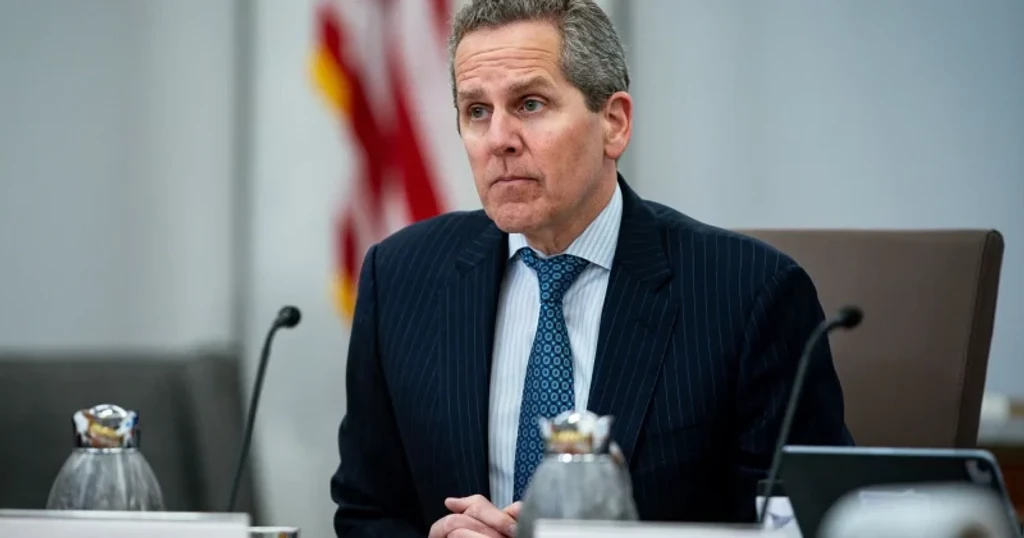
Federal Reserve Governor Michael Barr is warning that the ongoing rollback of banking regulations could set the stage for the next financial crisis.
In a speech at American University on June 6, Barr argued that lower capital requirements, weaker supervision, and relaxed liquidity rules are building systemic risks. He titled his address "Deregulating in a Financial Boom: What Could Go Wrong?"
Barr drew direct parallels to the deregulatory periods preceding the Great Depression and the 2007-2009 Global Financial Crisis. He stressed that vulnerabilities from these rollbacks may not be apparent today but could threaten serious harm to the economy.
His concerns focus on three pillars of post-crisis regulation: capital buffers to absorb losses, supervisory oversight of bank operations, and liquidity rules preventing fire-sale asset dumping.
Barr has been a consistent voice against deregulation, dissenting on capital rule relaxations in 2025 and issuing a similar warning in July of that year.
The pattern is historically dangerous. The Gramm-Leach-Bliley Act, which repealed Depression-era banking separations in 1999, passed during a boom and preceded the 2008 collapse.
While Barr did not mention crypto, the 2023 regional banking crisis saw a flight to Bitcoin when Silicon Valley Bank and Signature Bank failed. Investors should watch for reduced visibility into bank risk due to thinner capital and less disclosure.