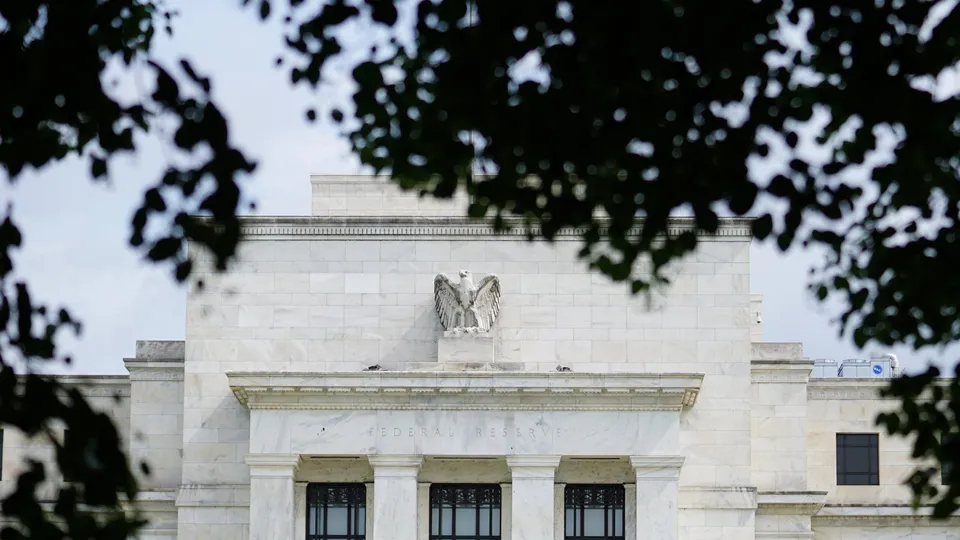
Federal Reserve officials largely agreed to maintain current interest rates at their recent meeting, but significant disagreements persist regarding future policy direction. While "several" participants suggested rate hikes could be necessary if inflation remains elevated, others favored further cuts should inflation decline as anticipated. A key point of discussion involved the complex and emerging implications of artificial intelligence on the U.S. economy.
Policymakers are grappling with how AI might spur productivity booms, potentially lowering inflation, while simultaneously acknowledging the risks of rising asset valuations and opaque private market investments associated with AI.
The minutes highlighted a divergence of views on inflation expectations. Some participants foresaw technological advancements, including AI, putting downward pressure on overall inflation. However, a larger group cautioned that progress toward the Federal Reserve's 2% inflation target might be slower and more uneven than expected, deeming the risk of persistently high inflation to be "meaningful."
The Federal Reserve's decision to pause monetary easing was seen as prudent to assess the economic landscape following last year's rate cuts. While some officials supported further rate reductions, the majority remained divided on the path forward, reflecting uncertainty about inflation and economic growth.
This policy split presents a challenge for incoming Fed leadership, tasked with navigating incoming economic data and the transformative potential of AI. Market expectations currently do not price in any rate hikes in the near future, with anticipation of cuts later in the year.