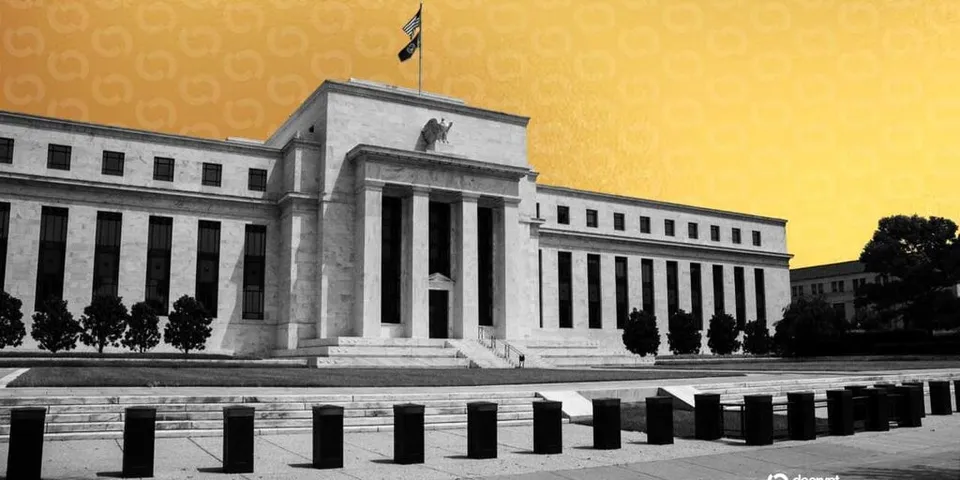
The Federal Reserve has initiated a 60-day comment period to permanently remove "reputational risk" from its bank supervision rules. This action, a significant step in a broader regulatory rollback, is viewed by crypto advocates as the end of informal regulatory pressure on banks serving digital asset firms.
The move replaces the subjective "reputational risk" standard with a focus on "material financial risks" such as credit, liquidity, and market risk. Vice Chair for Supervision Michelle Bowman stated this change will prevent "unnecessary variability" and ensure focus remains on core financial stability.
Lawmakers and policy experts have supported the move, noting that clear legislation is still required to establish durable rules for crypto banking access. Senator Cynthia Lummis called the proposal "long overdue," emphasizing that it's not the Fed's role to act as judge for digital asset companies. She believes this step will foster America's position as a digital asset capital.
While the proposal is seen as a necessary correction, some experts caution that informal pressure was only part of the issue. Banks' caution towards crypto stems from AML compliance, volatility, and the potential for crypto payment rails to challenge core banking economics. Calls remain for clear legislative frameworks, like the CLARITY Act and GENIUS Act, to provide predictable banking access rules for lawful businesses.
This announcement follows recent developments, including JP Morgan Chase acknowledging account closures related to political events and ongoing legal actions concerning alleged politically motivated debanking. An executive order last August aimed to prevent such "politicized or unlawful debanking," with the White House declaring an end to "Operation Chokepoint 2.0."
Earlier this month, the FDIC settled a lawsuit, agreeing to pay legal fees after a court found the agency had withheld crypto-related documents showing banks were pressured to limit digital asset activity. The Fed's public comment window closes in 60 days, after which a final rule is expected.