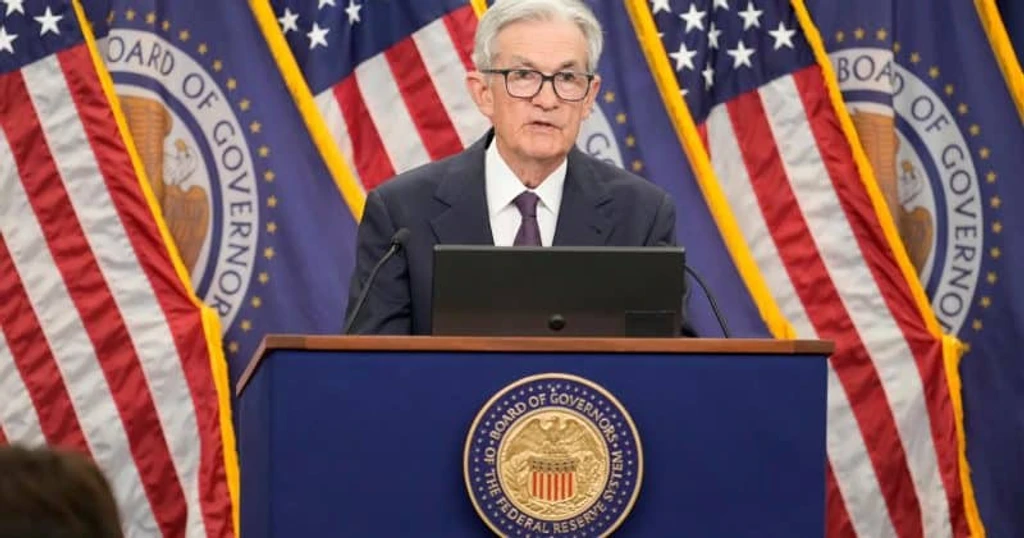
The Federal Reserve announced Tuesday that all 32 large U.S. banks passed the 2026 stress test, confirming they can absorb a severe recession and continue lending.
The hypothetical ‘severely adverse’ scenario modeled a 4.6% GDP contraction, 10% unemployment, and steep declines in housing and commercial real estate prices. Despite projected losses, aggregate capital levels remained above regulatory minimums.
The test expands on last year’s evaluation of 22 banks, bringing more institutions under scrutiny.
The Fed said it will not change capital requirements, freezing the stress capital buffer until 2027. This removes regulatory uncertainty for banks, which could have pulled back from capital-intensive activities if buffers were raised.
For crypto investors, the results ease concerns about bank counterparty risk exposed by the 2023 collapses of Silicon Valley Bank and Signature Bank. Stablecoin depegging and frozen fiat on-ramps were directly tied to bank failures. Steady capital rules allow banks to continue building crypto-related services.
The stress test does not model crypto-specific risks, such as a major stablecoin collapse or a cascade of DeFi liquidations, leaving potential gaps in financial stability oversight.