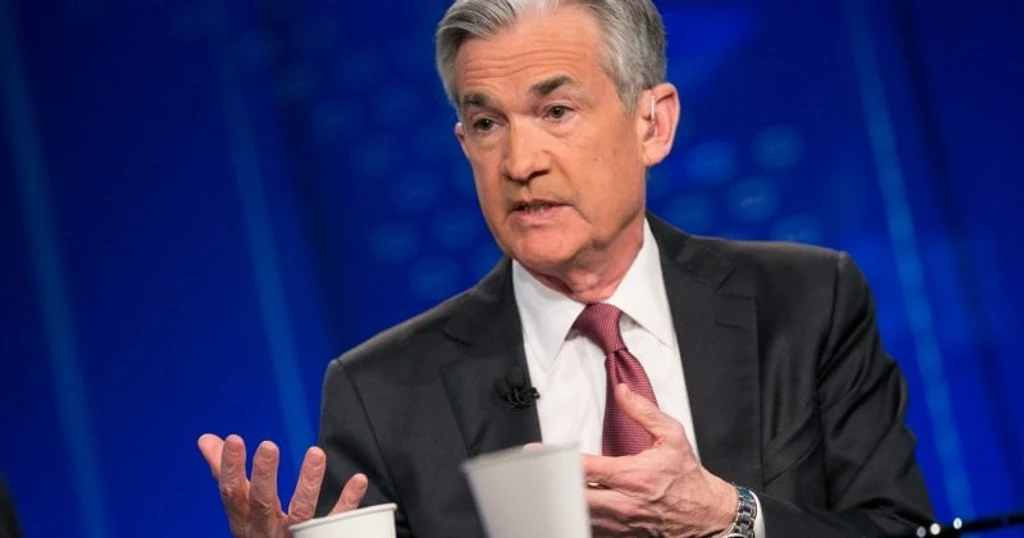
Federal Reserve Chairman Jay Powell is steering the central bank through a complex overhaul of its annual bank stress tests, facing legal challenges, regulatory changes, and heightened political scrutiny.
The stress tests, established after the 2008 financial crisis, simulate severe economic scenarios to ensure major banks hold enough capital to avoid taxpayer bailouts.
In December 2024, a coalition of major bank advocacy groups sued the Fed, arguing the testing process lacked transparency and produced unpredictable capital requirements. The Fed responded on December 23, 2024, announcing plans to seek public comment on significant changes.
Two key deadlines loom: comments on the 2026 severely adverse scenario are due by December 1, 2025, and broader feedback on model transparency by January 22, 2026.
Key proposed changes include publishing stress test models for public comment and averaging results over two years instead of a single annual snapshot. Updated capital buffer regulations are now delayed until 2027.
The legal pressure is compounded by the end of Chevron deference, a legal doctrine that previously gave federal agencies broad interpretive authority. Without it, the Fed is more vulnerable to lawsuits.
For investors, the shift to two-year averaging could reduce sudden capital buffer spikes from a single poor test result, offering more predictable earnings and capital returns. However, the extended timeline until 2027 means the transition will be gradual.