In a significant policy pivot, nine Federal Reserve officials now forecast at least one interest rate increase this year. The central bank simultaneously removed language suggesting its next move would be a cut. Six policymakers project two or more hikes, a sharp reversal from March when the committee collectively forecast a rate reduction in 2026.
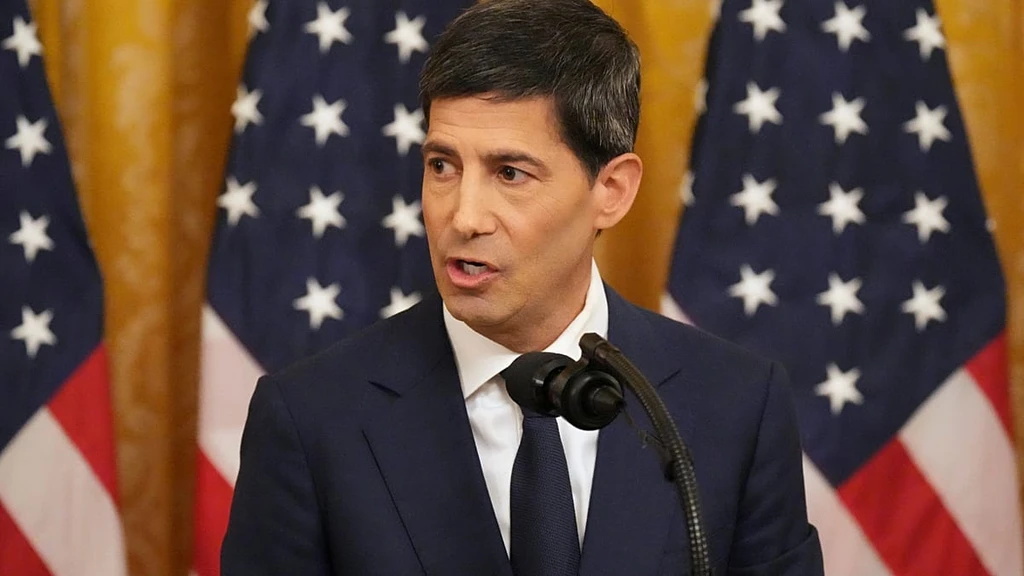
This shift addresses persistent inflation, which has accelerated to a three-year high of 4.2%. While geopolitical factors have influenced energy costs, prices for services and goods remain elevated above the Fed’s 2% target. New Chair Kevin Warsh emphasized a commitment to price stability, stating the central bank intends to correct five years of missed inflation targets.
Warsh is establishing five task forces to evaluate communication strategies, data sources, and inflation frameworks. He declined to submit an interest-rate projection himself but encouraged colleagues to do so. This meeting marked Warsh's first as Chair following his appointment by President Trump. Former Chair Jerome Powell remains on the governing board and voted to maintain current rates near 3.6%.
Economic indicators complicate the outlook. Hiring jumped in May with 172,000 jobs added, removing a key rationale for rate cuts. Despite potential peace agreements affecting oil flows, analysts warn that structural inflationary pressures persist. Portfolio managers note that elevated energy prices and strong consumer spending make rate hikes increasingly probable by year-end.
Markets reacted swiftly to the hawkish signal. The S&P 500 fell 1.4% following the release of updated rate expectations. Warsh stated that financial markets function best when reacting to incoming economic data rather than anticipating specific Federal Reserve responses.