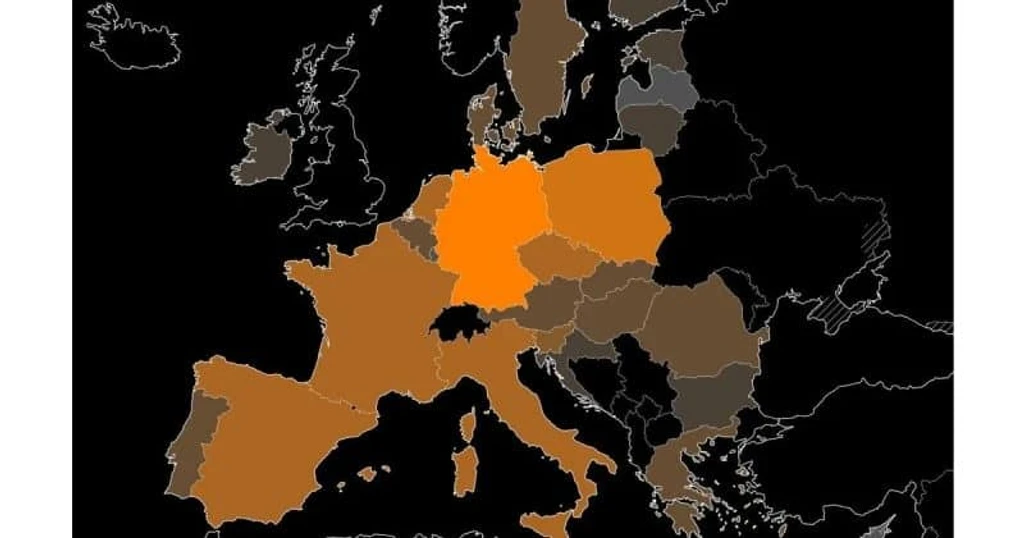
The European Union’s goods trade deficit with China reached €360 billion in 2025, marking a 20% increase from the previous year. Germany is bearing the brunt of this imbalance, with its bilateral deficit nearly doubling to €90 billion.
Chancellor Friedrich Merz has labeled the situation unhealthy as German exports to China fell 9.7% while imports surged 8.8%. The automotive, machinery, and chemical sectors are experiencing the most significant strain.
Major automakers including Volkswagen, Mercedes-Benz, and BMW face a precarious position. These companies are undercut domestically by subsidized Chinese competitors yet remain heavily dependent on Chinese consumer sales for revenue.
Despite diplomatic commitments secured during Merz’s February 2026 visit to Beijing, EU leaders remain skeptical of voluntary corrections. Brussels views current trade dynamics as distorted by state subsidies that enable below-cost pricing in European markets.
Policymakers are now debating stricter trade defenses, though coalition divisions complicate consensus. Investors must weigh the risk that aggressive EU safeguards could trigger retaliatory measures from Beijing, potentially restricting market access for key German industrials.