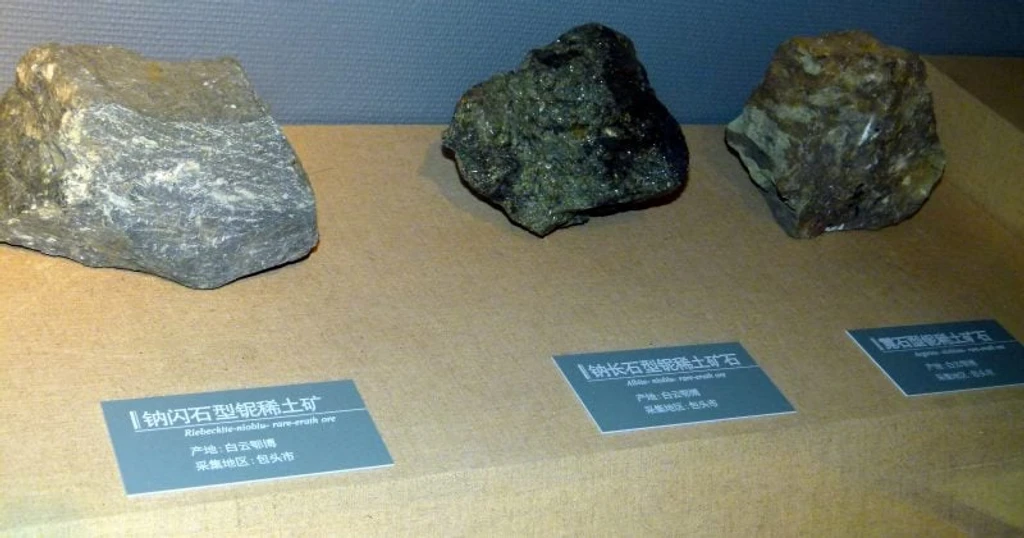
The Group of Seven is mobilizing to curb Beijing’s dominance in the global rare earth sector. Finance ministers from allied nations are actively developing a strategy to cap China’s market share at approximately 60%. While China currently mines 60% of global rare earths, it controls nearly 90% of processing and over 95% of downstream magnet manufacturing essential for electric vehicles and advanced weaponry.
Policymakers are evaluating minimum pricing mechanisms, tariffs on Chinese supplies, and production incentives to make non-Chinese operations economically viable. This initiative follows the Critical Minerals Action Plan unveiled in June 2025 and the subsequent launch of the Critical Minerals Production Alliance led by Canada. Finance leaders finalized specific pricing frameworks during strategic meetings in Washington in early 2026.
This geopolitical pivot addresses severe supply chain vulnerabilities exposed by recent export restrictions. Neodymium and praseodymium remain vital for EV motors and wind turbines, while dysprosium and terbium are critical for high-temperature applications. Furthermore, these elements are embedded in precision-guided munitions, jet engines, and satellite communications systems crucial for national defense.
For investors, the proposed price floors signal a shift toward predictable revenue environments for Western miners. Minimum pricing could enhance the viability of rare earth projects in Australia, Canada, and the United States. While blockchain tokenization efforts exist for asset traceability, current G7 strategies focus strictly on traditional industrial policy and commodity market stabilization rather than digital asset integration.