The Iran war is severely affecting Germany’s economy, pushing its public deficit to 4.2% of GDP. Leading research institutes have slashed growth forecasts for 2026 and 2027, citing energy shocks, supply chain disruptions, and rising inflation.
GDP growth is now projected at just 0.6% for 2026 and 0.9% in 2027-down from earlier estimates of 1.3-1.4%. Real GDP stalled in Q1 2026, and the Bundesbank warned of a sharp rise in inflation, potentially reaching 3%.
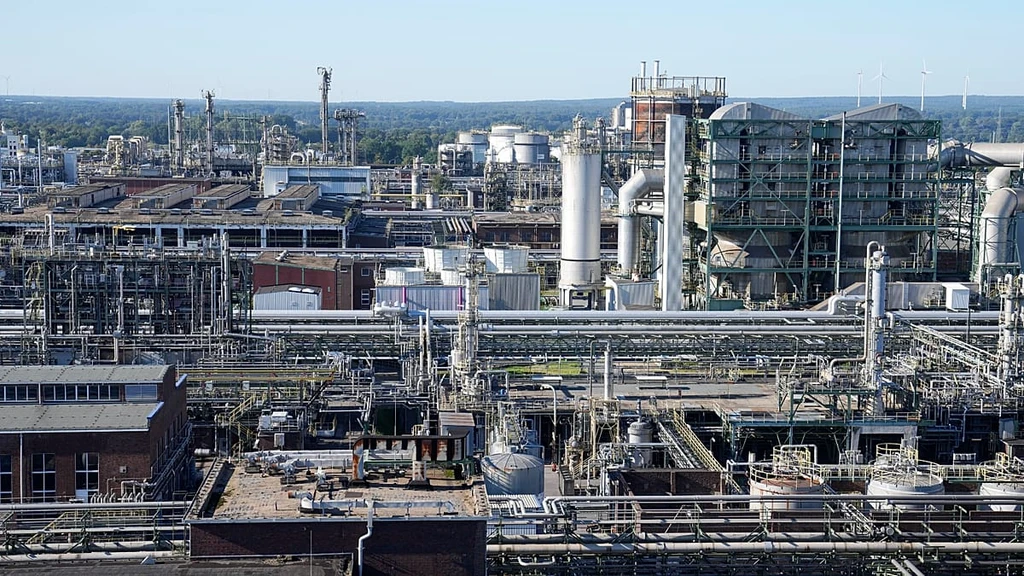
Supply chain bottlenecks, especially in the chemical sector, are worsening conditions for small businesses. The government is responding with increased spending on defense, climate projects, and infrastructure, raising public debt to 67.2% of GDP.
Employment is expected to drop by 100,000 this year, with unemployment rising to 6.4% in 2026. Long-term growth potential remains weak, with labor market pressures and an aging workforce reducing productivity.
The institutes urge against state-mandated energy price caps, favoring targeted support for vulnerable households instead. Structural reforms are seen as essential to sustain future growth.