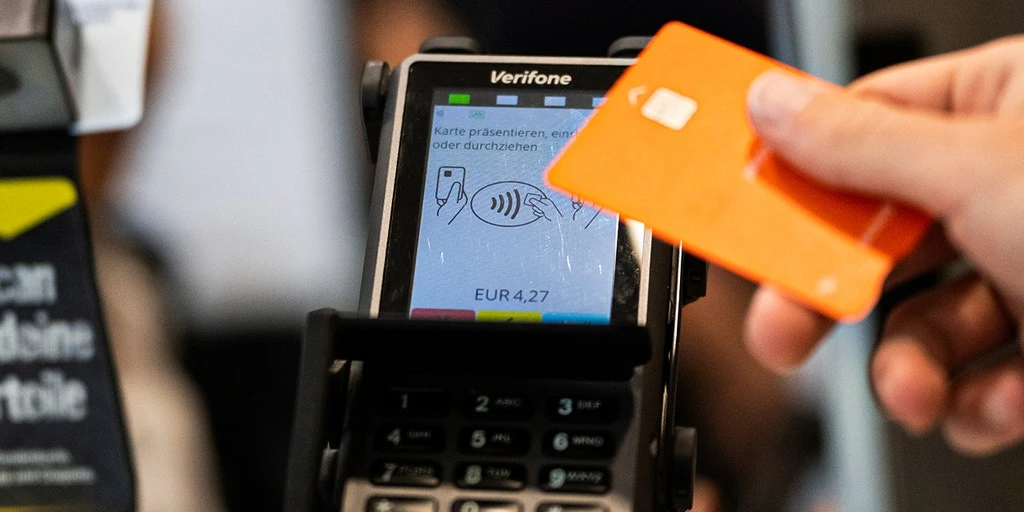
A $4 charge on your statement might seem insignificant, but it could be the first sign of a scam. Scammers use these small, unfamiliar charges to test if a payment method is active without triggering immediate suspicion.
These charges, often appearing as parking fees or vague merchant names, are part of a growing trend called "ghost tapping." In this method, unauthorized NFC readers or compromised terminals process low-value transactions without the cardholder's knowledge.
Because these transactions mimic normal contactless payments, they can go unnoticed until multiple charges appear. Once a card is compromised, scammers can run additional transactions across different merchants.
Acting quickly is crucial. Report any unrecognized charge immediately to your card issuer. Credit cards typically offer stronger fraud protections than debit cards, but timely reporting is key to limiting damage.
Experts recommend enabling real-time transaction alerts, using mobile wallets like Apple Pay or Google Pay, and regularly reviewing account activity. These steps can help detect suspicious behavior early and prevent further fraud.