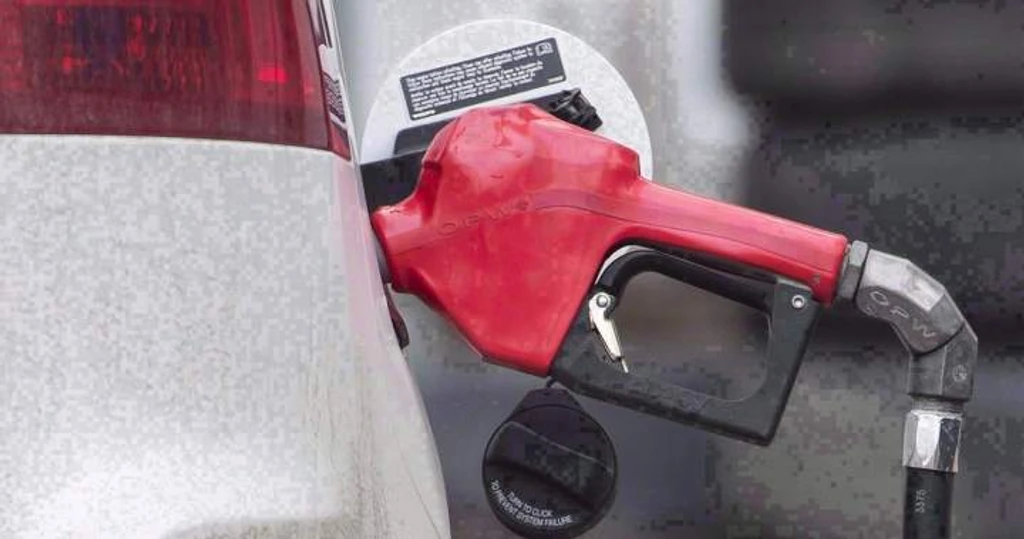
Gasoline prices in Edmonton have surged to approximately $1.50 per litre, a direct consequence of escalating conflict in the Middle East driving up global oil prices. Wholesale gasoline has climbed about 20 cents since Tuesday, with diesel seeing a nearly 40-cent increase.
Energy analyst Dan McTeague noted that diesel's impact is far-reaching, stating, "The reality is, diesel is at the core of the global economy." The price jump follows joint attacks by the United States and Israel on Iran, which led to Iran closing the Strait of Hormuz. This critical shipping route normally handles about 13 million barrels of oil daily, representing 25% of global oil shipments and 20% of LNG supply.
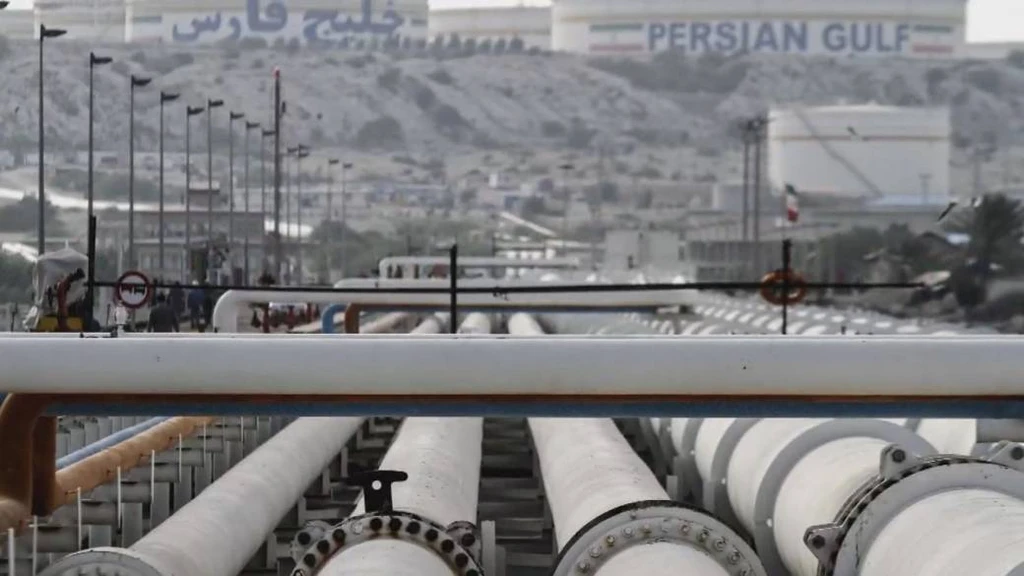
Global benchmarks reflect this volatility. Brent Crude reached nearly $93 US per barrel by Friday, up significantly from the previous week. West Texas Intermediate also saw a substantial weekly gain, reaching $90 US per barrel. Industry analyst Richard Masson described the global energy market as being "in turmoil."
For Canada, these elevated prices will likely translate to higher costs for imported goods. While Canada is an oil exporter, domestic fuel prices are tied to international benchmarks. The Alberta government's budget, heavily reliant on oil royalties, may see increased revenue if oil prices remain high.
Analysts anticipate continued upward pressure on global oil prices until the geopolitical situation stabilizes. McTeague suggests Canada could mitigate such impacts by investing more in its own energy infrastructure to reach global markets.