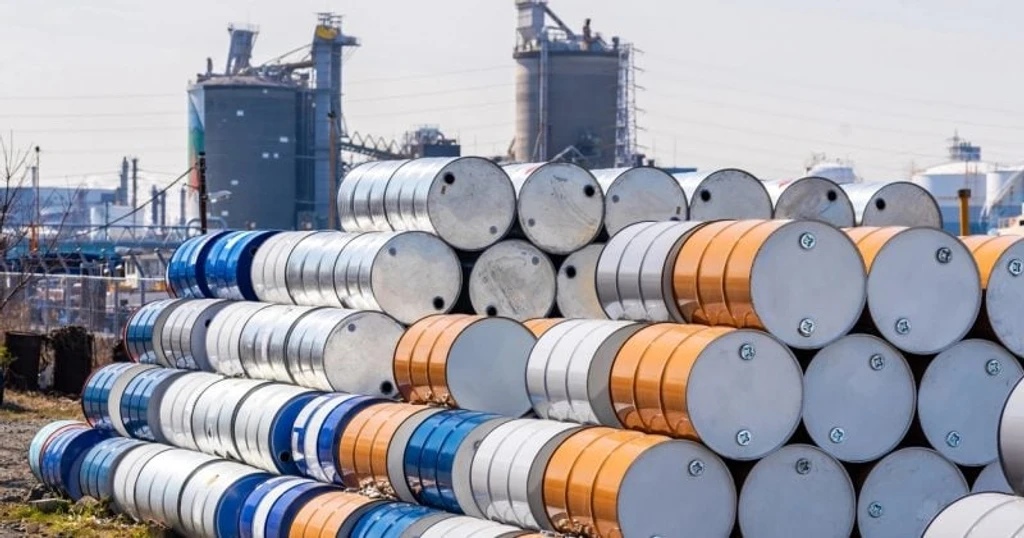
Oil prices posted their largest two-day gain in four months amid a sharp escalation in US-Iran hostilities. Brent crude surged 9.59% to $83.30 per barrel over July 12 and 13, while the U.S. benchmark, WTI, climbed 9.42% to $78.14.
The catalyst was the collapse of a short-lived ceasefire. Iranian forces began targeting tankers near the Strait of Hormuz on July 8, restarting military exchanges. U.S. President Donald Trump subsequently declared the ceasefire over and reinstated economic sanctions against Iran, raising the prospect of a naval blockade.
The Strait of Hormuz is a critical chokepoint where roughly 20% of the world’s oil trade passes between Iran and Oman. The threat of physical disruption there is now the dominant variable in energy markets, overriding typical demand-side factors.
The market impact extends beyond energy. While energy stocks benefit directly, the broader equity market treats sharp oil spikes as a tax on growth. The near 10% volatility is also forcing widespread adjustments across leveraged commodity positions.
The reinstatement of sanctions adds further pressure by tightening available supply. Iranian oil exports, which had continued to some buyers despite earlier restrictions, become harder to move with active U.S. enforcement.