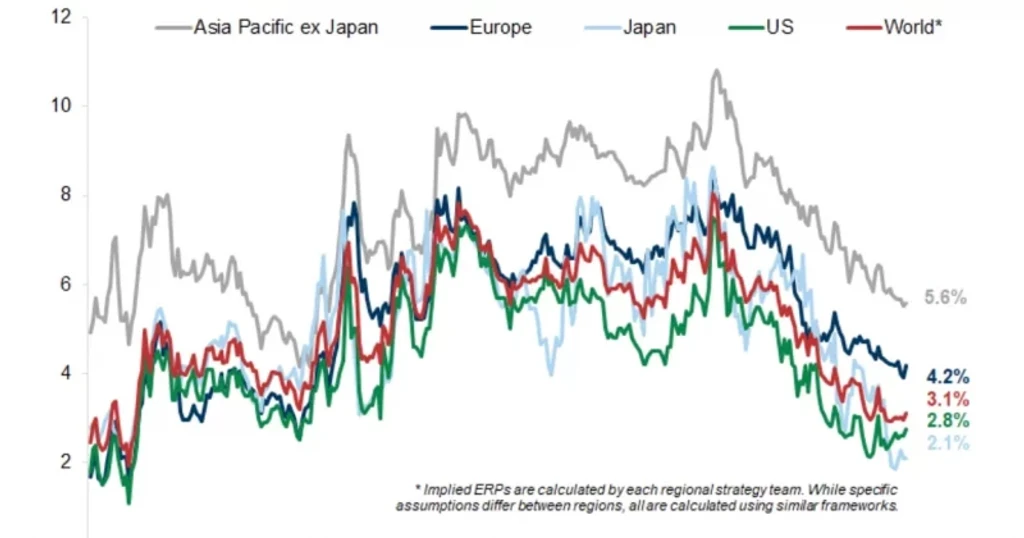
Goldman Sachs Research has issued a warning: surging global long-term bond yields are creating a tightening effect across markets, which could trigger meaningful corrections in equities and ripple into risk assets like crypto.
The 30-year US Treasury yield has climbed above 5%, a level not seen since 2007. Germany, Japan, and other major economies are seeing comparable maturity yields between 3.5% and 6%, making this a global phenomenon, not just a US problem.
Goldman's Risk Appetite Indicator hit the 99th percentile since 1991. This means investors are behaving as if risk doesn't exist, even as borrowing costs rise. US retail trading volumes have surged 28% since mid-April, indicating everyday investors are piling into equities despite warning signs.
Real yields are rising due to persistent inflation concerns from oil prices and tariffs. This is fundamentally different from yields rising because inflation expectations are climbing. Higher real yields increase the appeal of risk-free returns, drawing capital away from risk assets.
The typical negative correlation between stocks and bond yields is reversing. Stocks and bond yields are now moving in the same direction, both higher. This breakdown in the hedge relationship threatens portfolio diversification, as seen during the 2022 drawdown when both stocks and bonds fell together.
Goldman's report did not mention crypto, but rising real yields create a headwind for non-yielding assets like Bitcoin. When risk-free returns climb above 5%, the opportunity cost of holding crypto increases significantly. Furthermore, the surge in retail trading volumes signals risk-seeking behavior that could reverse sharply in a de-risking event.