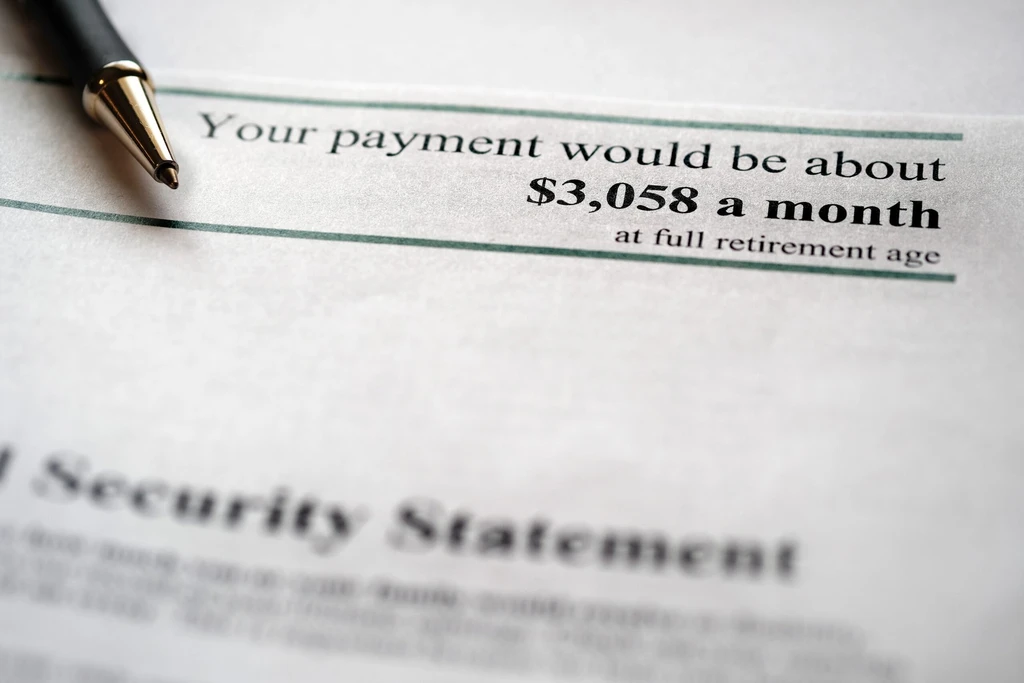
Millions of Americans rely on Social Security for retirement income. For those considering living abroad, it's crucial to understand how to continue receiving these benefits. Generally, you can receive payments in most countries, with some exceptions.
Countries where payments are restricted: Cuba and North Korea due to U.S. Treasury prohibitions. Also, payments cannot be made to residents of Azerbaijan, Belarus, Kazakhstan, Kyrgyzstan, Tajikistan, Turkmenistan, and Uzbekistan, unless an exception applies. If you reside in a restricted country without an exception, the SSA will withhold payments until you leave.
To be eligible, you must be at least 62 and have paid into the system for 10 years. Living abroad, per the SSA, means being outside the U.S. and its territories for at least 30 consecutive days. If you return to the U.S. for more than 30 days, you are no longer considered abroad.
Non-U.S. citizens who don't meet conditions may have payments stopped after six full calendar months outside the U.S. To restart payments, they must return to the U.S. for at least one full calendar month.
Most recipients receive benefits electronically, either to a U.S. bank or a financial institution in a country with a direct-deposit agreement with the U.S. Using a foreign bank may incur fees. Alternatively, deposit in a U.S. account and transfer funds as needed. Receiving checks by mail is possible but slower and riskier.
The SSA will periodically send a questionnaire to verify eligibility. Failure to respond can halt payments. Always keep your address updated.
Taxes are a key consideration. As a U.S. citizen or green card holder, your worldwide income, including up to 85% of Social Security benefits, may be subject to federal income tax. Additionally, many foreign governments also tax these benefits. Consult a tax advisor before moving.
The SSA's Payments Abroad Screening Tool on its website can help determine eligibility for your chosen destination.