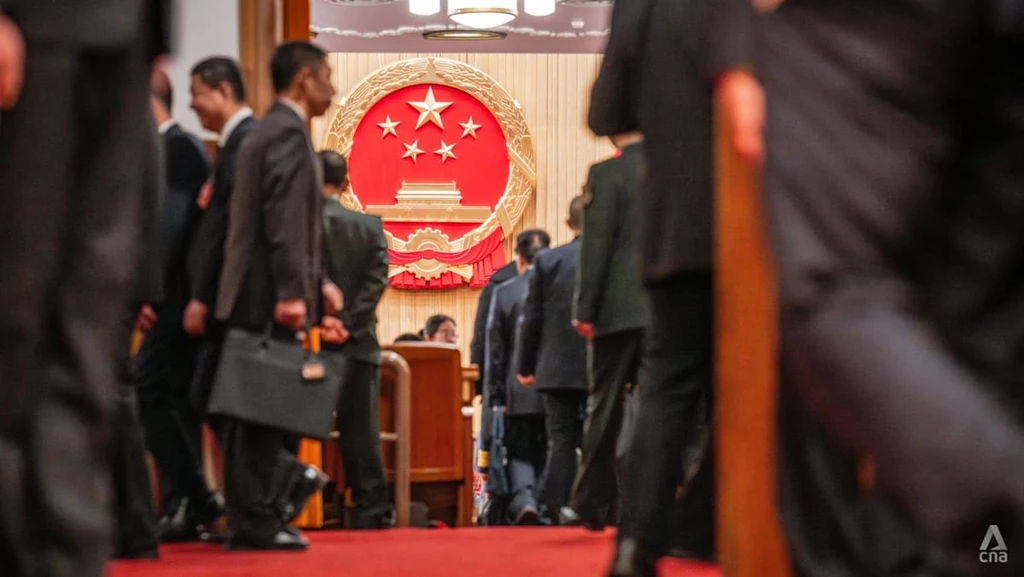
BEIJING: China's Premier Li Qiang has unveiled a government work report signaling a significant recalibration of the nation's economic agenda for 2026. The report moves away from an emphasis on speed and scale, prioritizing reform, resilience, and the quality of growth. Key phrases like 'intelligent economy' and 'investing in people' highlight this strategic pivot.

The introduction of a 'new form of intelligent economy' signifies an expansion of AI's role across industries, aiming to cultivate new economic growth models. This concept integrates AI as core infrastructure, requiring public-private partnerships to drive innovation, while also acknowledging the need for employment protection measures amid rapid AI development.
Another prominent focus is the 'unified national market,' aiming to dismantle local regulations and market barriers. This initiative is now framed with binding legislation, signaling a move towards enforcement. Efforts include consumption tax reform and strengthening anti-monopoly measures to foster a healthier market ecology.
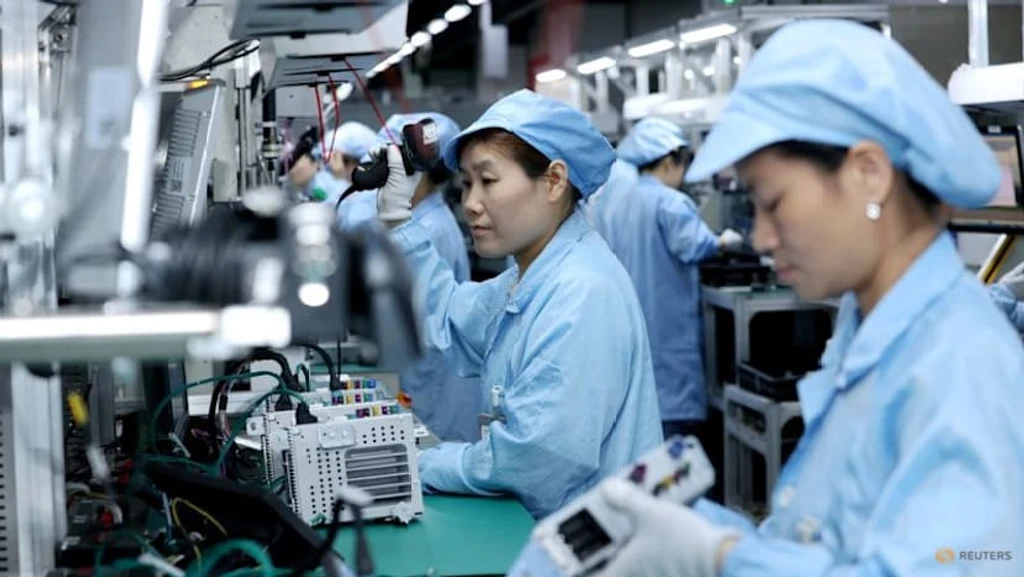
The report also elevates 'service consumption,' recognizing its importance for employment and economic rebalancing. This suggests a focus on supply-side reform in the service sector to cultivate 'a middle-class ethos' by enabling citizens to consume for experience, not just necessity.
Finally, 'investing in people' is presented as a counter-narrative to infrastructure spending, supported by the Urban and Rural Residents Income Growth Plan. This emphasis on social security and long-term economic confidence is seen as crucial for unlocking consumption and ensuring durability amidst external shocks.