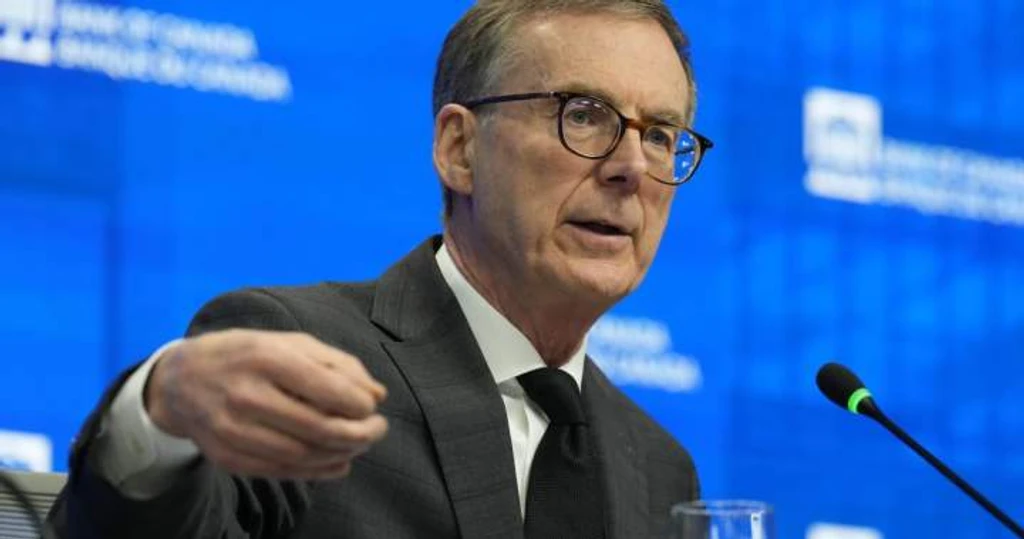
Bank of Canada Governor Tiff Macklem has cautioned that the conflict involving Iran has significantly heightened volatility in financial and energy markets. Speaking in Toronto, Macklem highlighted concerns about the growing role of non-bank entities in global debt markets, noting they are not as closely monitored as traditional banks, potentially introducing new risks.
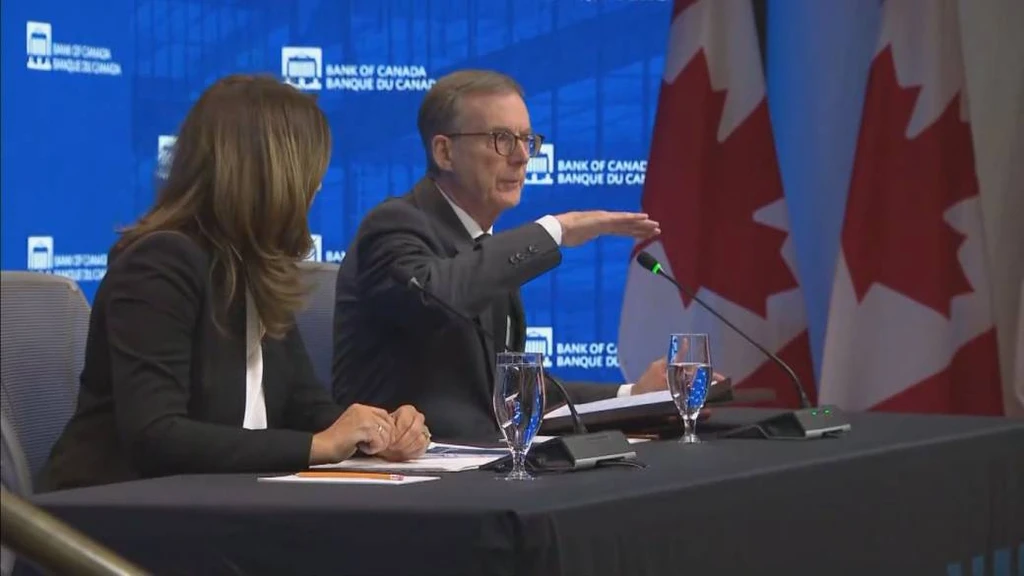
The energy price shock stemming from the conflict will particularly impact oil and natural gas importing nations. Macklem also pointed to stretched valuations in equity and credit markets, exacerbated by geopolitical risks, trade uncertainty, and the rapid advancement of artificial intelligence, which collectively increase the potential for sharp market reversals.
He stressed that while these new players can offer benefits like risk diversification, their models have not yet been thoroughly stress-tested during periods of significant economic turbulence. Unlike traditional banks, these non-bank actors face fewer regulatory reporting requirements, creating a gap that challenges global standard-setters and national regulators. Macklem emphasized the need for increased attention on these vulnerabilities and improved communication with the private sector to collectively prepare for potential shocks.