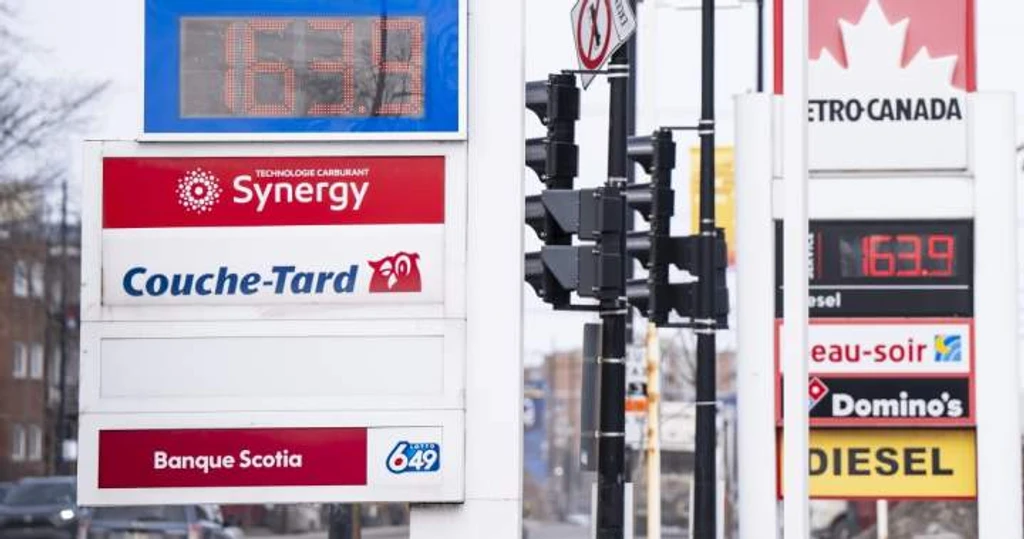
Consumers facing higher gas prices due to the Iran conflict may ask: How soon will relief come if the war ends?
Jon Allen, a senior fellow at the University of Toronto, advises filling up tanks now. 'I don’t think you’re going to see a resolution in the next few days,' he says. Negotiations are likely to take time.
About 20% of the world’s crude oil supply has been disrupted through the Strait of Hormuz, causing crude oil prices to surge near US$120 per barrel at one point. As of publication, prices hover around $90.
'This market is notoriously unpredictable,' says Trevor Tombe, an economics professor at the University of Calgary. 'Oil prices have fallen recently, but the future remains uncertain.'
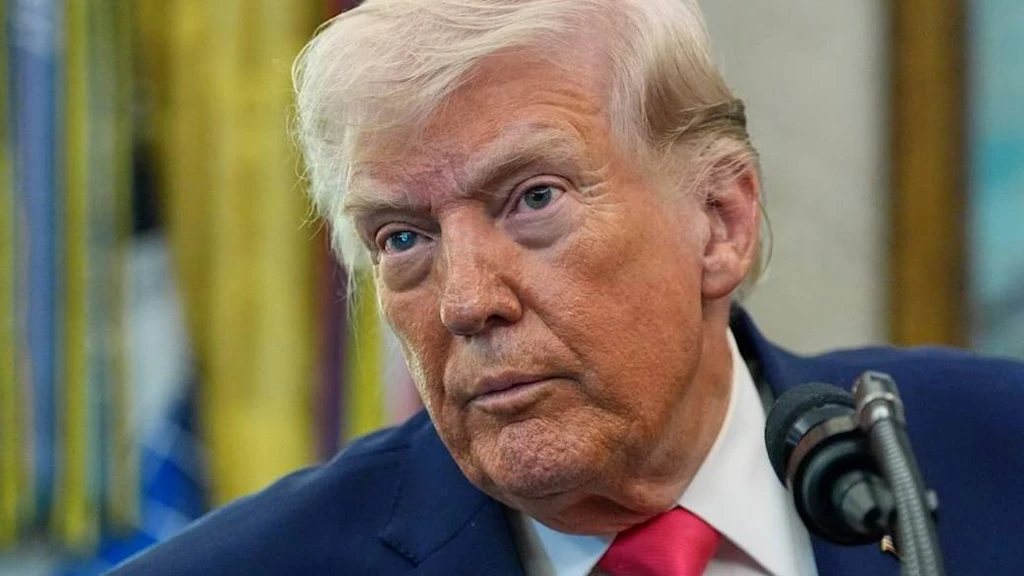
Despite President Trump’s claim of ongoing negotiations, Iran has rejected a U.S. ceasefire proposal. The Associated Press reports 1,000 U.S. troops are deploying to the Middle East.
Allen notes, 'If Iran doesn’t like what’s offered, they control the Strait of Hormuz.'
The conflict’s end may not bring immediate relief; there’s a significant lag between producer costs and consumer prices. A prolonged high-price period could mean continued financial strain for consumers.