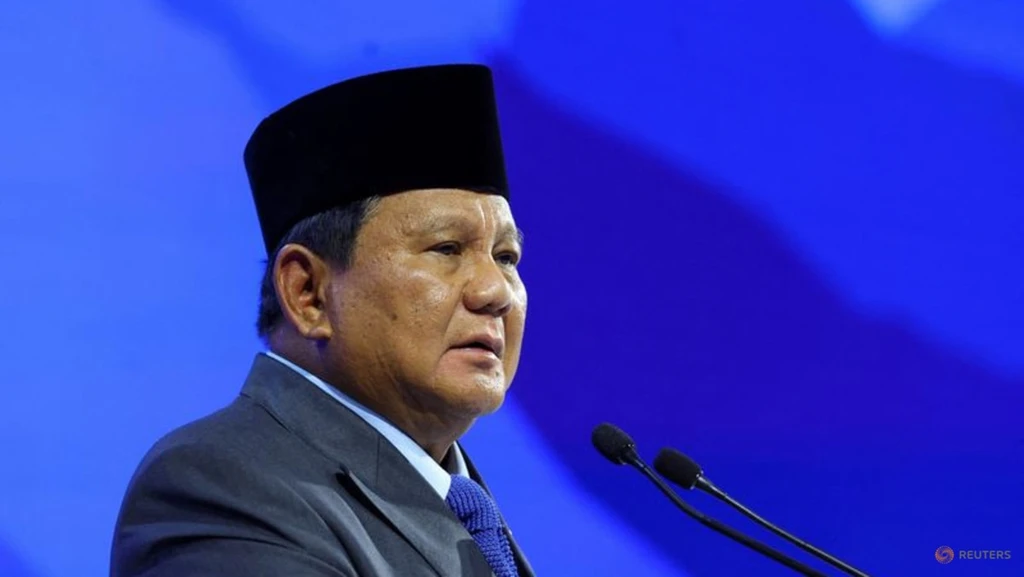
Jakarta may be forced to abandon long-standing energy subsidies and reassess President Prabowo Subianto’s flagship school meals programme as surging oil prices strain the national budget.
The Middle East war has pushed global oil prices above $100 per barrel, far exceeding Indonesia's 2026 planning benchmark of $70. With domestic fuel and gas reserves at just three weeks’ supply, officials warn tough decisions are imminent.
Yose Rizal Damuri of CSIS Jakarta said the government could save up to 100 trillion rupiah by targeting the nearly US$6 billion school meal scheme to high-need regions only. The plan, central to Prabowo’s campaign, feeds millions but faces criticism over logistics and safety.
Finance Minister Purbaya Yudhi Sadewa warned that without adjustment, the fiscal deficit could breach the legal cap of 3% of GDP-reaching 3.6% at $92 per barrel.
Past fuel price hikes have triggered riots, making subsidy cuts politically risky. Still, analysts say reducing consumer subsidies-covering 30-40% of fuel costs-is more likely than a legal override of the deficit limit.
Prabowo has urged civil servants to work remotely and conserve fuel, citing proactive economic measures. Meanwhile, Fitch downgraded Indonesia’s credit outlook to negative, citing policy uncertainty, though debt remains low at 40% of GDP.