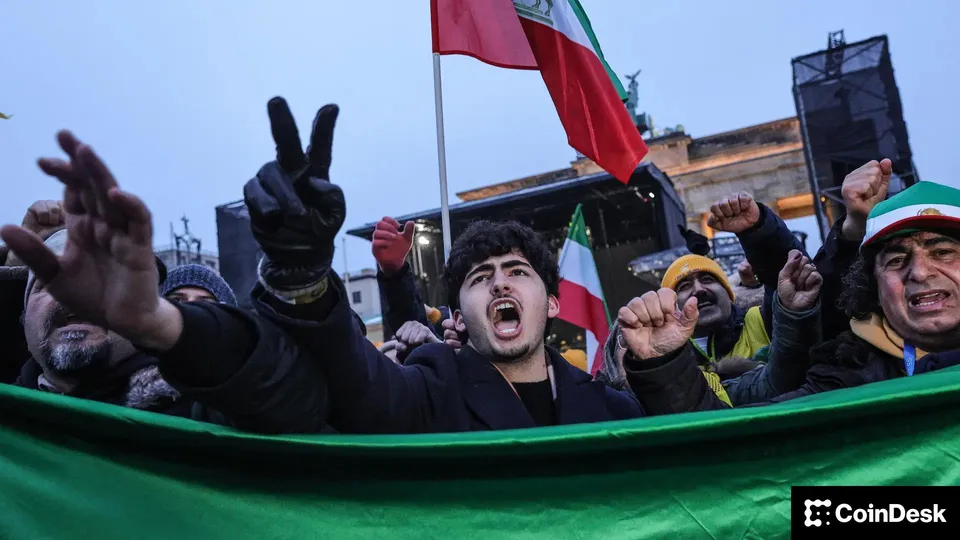
Iran's official currency, the rial, is in freefall in 2026. Hyperinflation is rapidly eroding savings, exacerbated by sanctions, poor economic decisions, and geopolitical pressures. This mirrors the crisis that began in Lebanon in late 2019, where bank freezes and a collapsing currency drove citizens to seek value in Bitcoin.
Lebanon's financial system seized up when banks locked accounts, devaluing dollar savings into a rapidly depreciating pound. Iran faces a similar "chokehold" with sanctions hindering trade and rampant inflation. Reports indicate crypto activity in Iran neared $8 billion in 2025, with individuals moving Bitcoin to personal wallets to avoid freezes and further devaluation. Even Iran's central bank is reportedly using stablecoins to circumvent restrictions.
In Lebanon, once-skeptical citizens embraced Bitcoin as traditional finance failed. Peer-to-peer trading surged, bypassing banks entirely for remittances and daily transactions. Banks eroded deposits, destroying trust and savings. Bitcoin offered a store of value beyond government control, with private keys providing true ownership and rapid cross-border transfers.
Despite challenges like power outages and limited liquidity outside Beirut, a decentralized learning process emerged. Citizens educated each other on secure self-custody, emphasizing holding private keys to prevent loss from hacks or policy changes.
Iran is now on a similar trajectory. Protests reflect growing anger, and the rial continues its decline. On-chain data shows a shift towards self-custody. While government actions on mining and crypto imports are mixed, for individuals, Bitcoin offers borderless, censorship-resistant value preservation and a hedge against inflation. Stablecoins facilitate daily use, while Bitcoin serves as savings.
Practices that proved effective in Lebanon-using reliable non-custodial wallets, securing seed phrases, and building peer-to-peer networks-can offer a similar lifeline in Iran. While obstacles like regulatory shifts and internet instability persist, this approach beats reliance on a failing currency. Lebanon's experience demonstrates that waiting for government solutions is often futile; proactive measures can preserve what remains.
The collapse of centralized finance in Lebanon and the current situation in Iran highlight how overprinting, account freezes, and isolation disproportionately harm citizens. Bitcoin offers an alternative, requiring no approval and placing risk management directly with the individual. Lebanon's economic upheaval fostered a population that learned the true meaning of ownership, and Iran now faces a similar opportunity to reclaim financial control through self-custody and individual agency, one satoshi at a time.