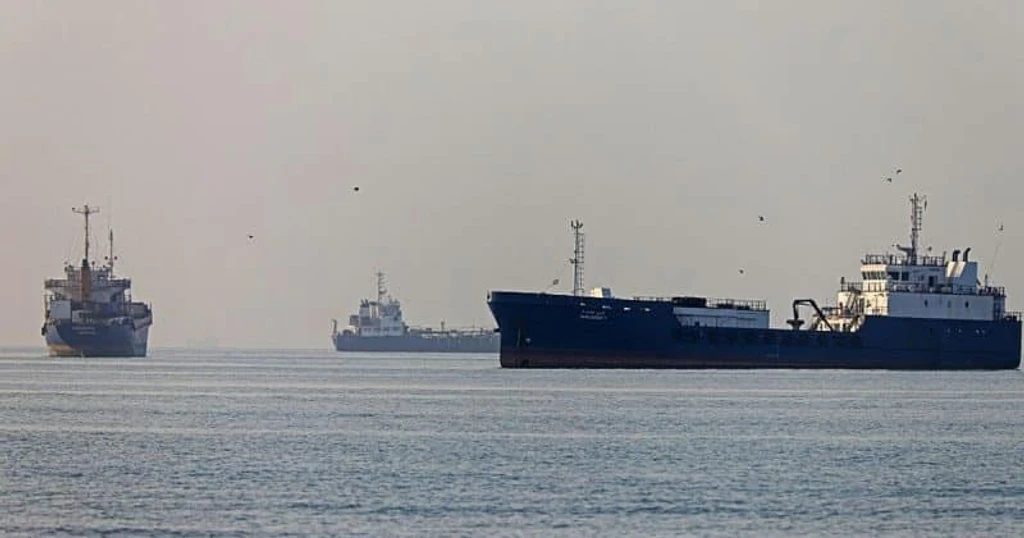
Iran is circulating competing versions of an interim agreement with the United States, even as President Donald Trump insists a memorandum of understanding will be signed on schedule. The deal, announced June 13, aims to de-escalate a three-month conflict by reopening the Strait of Hormuz, a critical chokepoint for global commercial shipping.
Diverging priorities complicate negotiations. Iranian drafts propose releasing between $12 billion and $24 billion in frozen assets while demanding U.S. naval withdrawal and an end to blockades. Conversely, the U.S. framework focuses on a 60-day ceasefire to facilitate deeper talks regarding uranium stockpiles and sanctions architecture. Mediators from Qatar and Oman continue serving as intermediaries.
Market sentiment has already shifted on prospects of stabilizing the strait, through which one-fifth of global oil supply transits. Bitcoin climbed above $63,000 following the announcement, signaling reduced geopolitical risk premiums. However, significant disparities between the dueling drafts introduce uncertainty. A deal perceived as overly favorable to Tehran risks political backlash in Washington, while insufficient concessions could cause the agreement to collapse during the follow-up period.
For investors, the signing itself is secondary to the subsequent 60-day window. This period represents the true stress test for risk assets as substantive negotiations over nuclear stockpiles and sanctions commence.