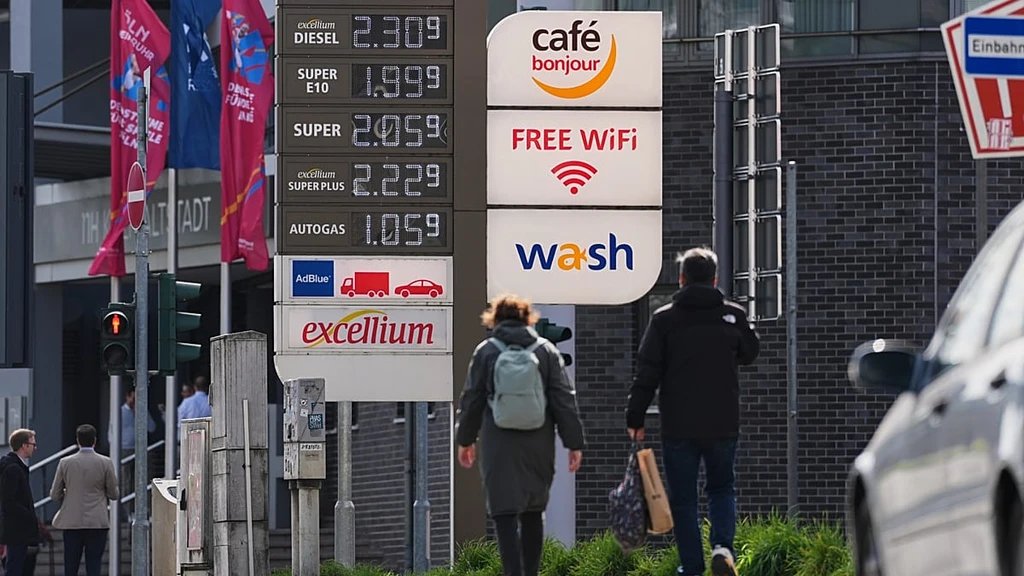
The war in Iran has triggered a sharp spike in European energy prices, disrupting roughly 20% of global oil supplies that transit the Strait of Hormuz. Brent crude surged from €60 to over €100 per barrel within days, while European natural gas prices jumped 60%.
Fuel prices across Europe have soared past €2 per litre in multiple countries. Spain saw the steepest diesel increase-34.3%-prompting Madrid to launch the region’s most aggressive response: a €5 billion emergency package.
Spain slashed VAT on all energy-including petrol, diesel, electricity, and gas-from 21% to 10%, cutting pump prices by about 30 cents per litre. Vulnerable sectors like hauliers and farmers receive an extra 20-cent rebate. The government also released 11.5 million barrels from strategic reserves.
Germany, where petrol hit €2.16 per litre, proposed limiting price changes at pumps to once daily. Italy plans to claw back excess corporate profits and redirect VAT windfalls to consumers. Portugal cut diesel taxes by €0.0355 per litre after crossing a pre-set price threshold.
France offered no direct subsidies; instead, TotalEnergies capped retail fuel prices temporarily, while President Macron pushed EU-wide protections for energy infrastructure. Poland avoided intervention, citing market stability concerns. Austria now allows fuel price hikes only three times weekly, and Hungary imposed strict caps-but only for domestic-plate vehicles.
EU Energy Commissioner Dan Jørgensen signaled readiness to activate emergency protocols if prices worsen, while quietly lowering gas storage targets to 80% to calm markets.
The crisis hinges on how long the Strait of Hormuz remains constricted-and whether the conflict escalates further.