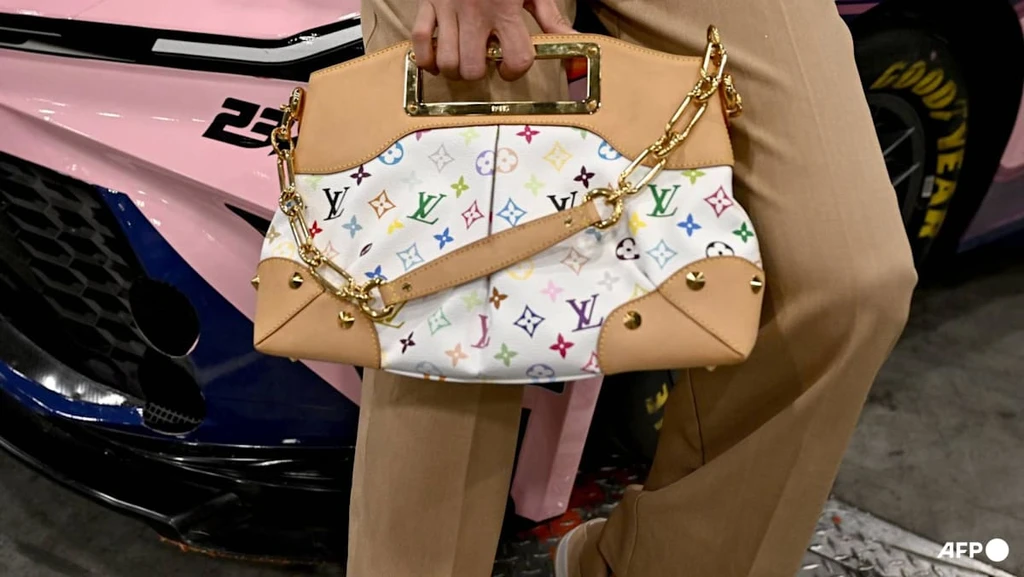
LVMH's first-quarter sales saw a muted 1% increase, falling short of expectations and totaling €19.1 billion. The conflict in the Middle East significantly impacted spending, particularly in its fashion and leather goods division, which experienced a 2% decline. This marks the seventh consecutive quarter of decreases for the division.
The geopolitical tensions reduced group sales growth by 3 percentage points in March alone, as shoppers avoided regional malls. Despite this, the company sees potential for future recovery, noting that wealth in the region has not vanished. Shares of LVMH, controlled by Bernard Arnault's family, have dropped nearly 25% this year, with US-listed securities falling 4% after the Q1 results were released.
While the direct impact on luxury sales from the Middle East conflict is estimated at 5% of industry sales, analysts worry about a broader decline in global consumer confidence. HSBC has lowered its luxury industry sales growth forecast for 2026 to 5.9% due to weakness in Europe and the Middle East.
Conversely, Asia outside Japan showed strong performance with a 7% sales increase, signaling a potential end to China's luxury downturn. US sales remained robust, up 3%, and the watches and jewelry division, including Tiffany and Bvlgari, grew 7%. Analysts anticipate new creative directors at brands like Dior and Celine will help drive future improvements.