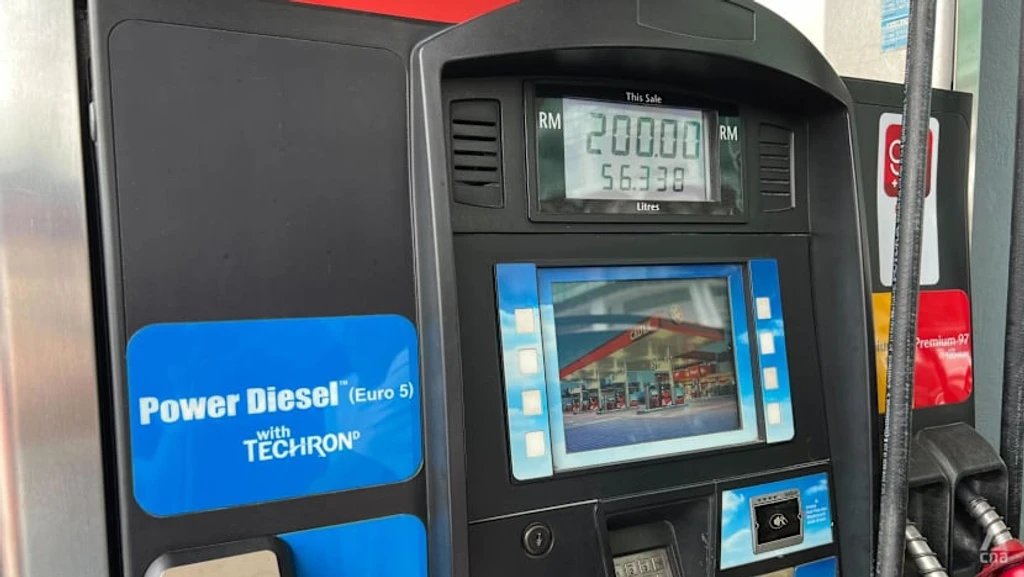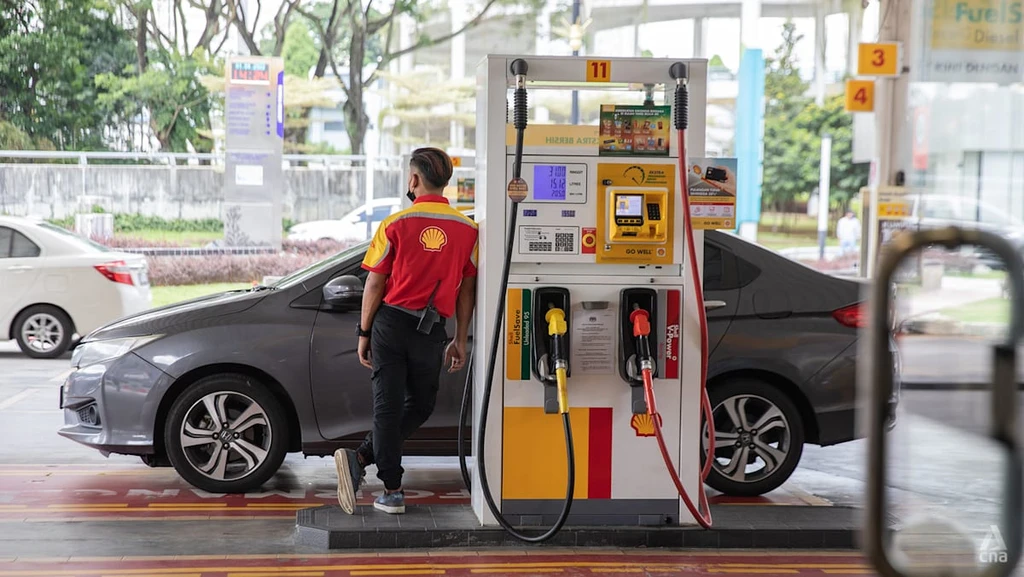
KUALA LUMPUR: Malaysia cannot indefinitely maintain low fuel prices amid soaring global crude costs. The government now faces a monthly subsidy burden of RM4 billion, up from RM3.2 billion.
Prime Minister Anwar Ibrahim’s administration is under pressure to reduce subsidies, but political risks loom as early elections approach. The federal government caps subsidized RON95 at RM1.99/liter, a policy that has become financially unsustainable.
Economists warn that continued subsidies could undermine Malaysia’s economic progress, threatening debt reduction goals and credit ratings. While the government has cut subsidy quotas from 300 to 200 liters/month, analysts say this does not address the core fiscal strain.
Global oil prices surged past $100/barrel due to the Iran conflict, impacting neighboring countries. Malaysia's fuel reserves remain secure through May, but the fiscal toll is mounting.
The government is considering gradual price adjustments alongside improved targeting of support for low-income households. Analysts urge a shift from fixed subsidies to dynamic pricing and income-based aid.

The Finance Ministry reports that Malaysia’s fiscal deficit-currently at 3.7%-could rise sharply if subsidies persist. With fuel costs consuming nearly 12% of annual operating expenditure, authorities face tough decisions.
Experts suggest diversifying energy sources and adjusting prices gradually, rather than abruptly. A political risk exists too: subsidies are deeply entrenched in public sentiment, especially among middle-income groups. The government may consider early elections to manage political fallout.