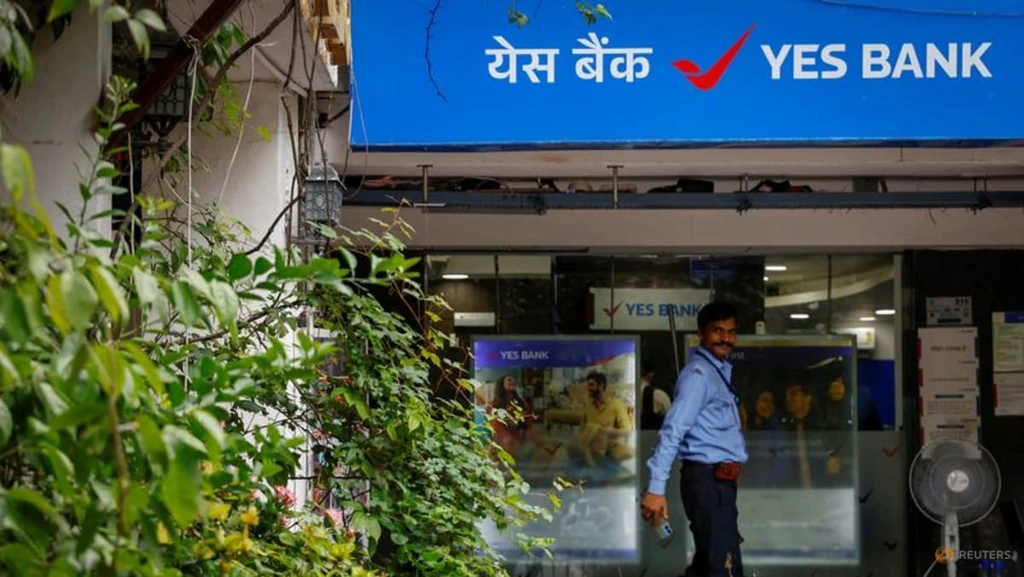
Nippon Life's Indian asset management arm will pay a significant fine to settle allegations of fraudulent investment in Yes Bank bonds. Nippon Life India Asset Management will pay 964.6 million Indian rupees, approximately $10.25 million, to resolve charges that it offered high-risk Yes Bank bonds to customers. In return, the lender reportedly extended loans to companies associated with the unit's former owner, industrialist Anil Ambani.
A rare condition of the settlement mandates that 93% of the payment, or 897.4 million rupees, will be returned to Nippon India's investors who incurred losses. This provision differs from typical regulatory settlements where penalties are paid to the government.
The settlement with the Securities and Exchange Board of India (SEBI) has not been previously reported. By agreeing to the settlement, Nippon India has not admitted any wrongdoing.
SEBI alleges that between 2016 and 2019, Anil Ambani and his son, Jai Anmol Ambani, influenced Reliance Mutual Fund to invest 21.5 billion Indian rupees ($228.57 million) in Yes Bank's additional tier-1 (AT-1) bonds. Subsequently, Ambani-backed companies received loans from Yes Bank.
These AT-1 bonds became worthless when Yes Bank was declared insolvent in 2020, leading to reported investor losses of 18.28 billion rupees. AT-1 bonds are a high-risk category of securities that can be written off during a bank's insolvency.
SEBI's investigation indicated that senior officials at the Anil Ambani Group influenced the decision to invest in these bonds, potentially violating rules requiring such decisions to be made by an independent investment committee. SEBI's regulations also state that a mutual fund's parent company cannot access investor funds directly or indirectly.