The global payments system, largely built on 1970s infrastructure, faces critical limitations: slow transactions, opaque fees, and limited operating hours. This legacy system struggles to meet the demands of a digital economy.
While new fintech tools like stablecoins and embedded finance emerged, they often led to fragmentation, requiring companies to integrate numerous disparate solutions. This created integration overhead and operational risk.
A new category of strategic infrastructure providers, often working with advisory firms, is now reshaping the landscape. These players design, integrate, and deploy curated financial stacks, combining regulatory structuring, banking, payment infrastructure, digital asset rails, and compliance frameworks into unified systems.
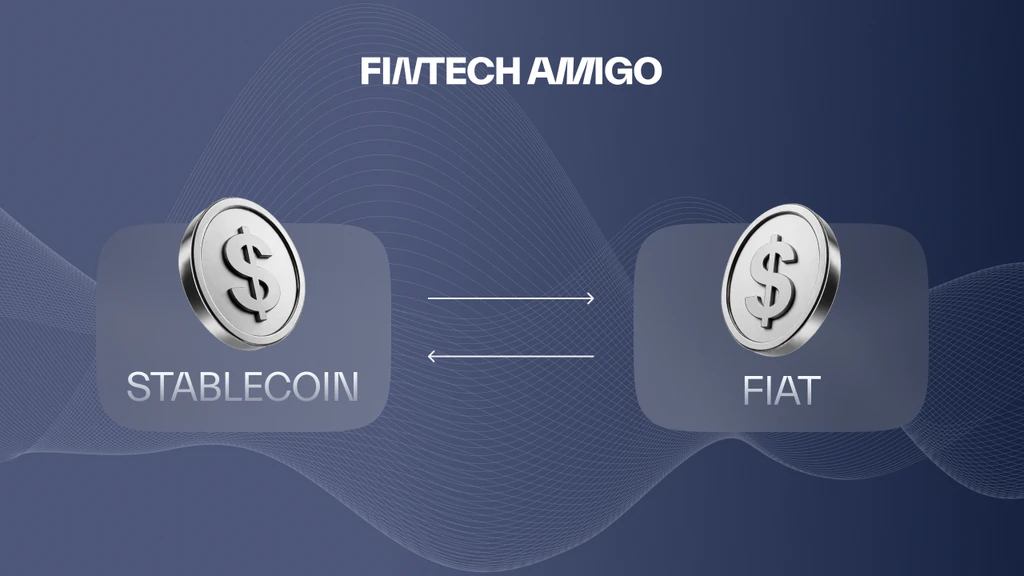
Stablecoins are at the core of this shift. Unlike traditional cross-border payments, stablecoin transfers settle within minutes, operating 24/7. This enables companies to convert fiat to digital assets, transfer them on a blockchain, and convert back to local currency, drastically reducing intermediaries and settlement times.
For cross-border marketplaces, this means faster payouts, lower operational overhead, and improved user experience through hybrid models using stablecoins for settlement. Compliance is also being embedded into infrastructure, with automated verification and monitoring transforming it from a bottleneck to a scalable function.
This new model accelerates time-to-market for financial products, moving from complex construction to efficient orchestration. It also creates a new treasury paradigm, allowing real-time fund movement and centralized liquidity management across currencies and jurisdictions.
This silent transformation sees banks, fintechs, and institutions adopting hybrid models, integrating traditional finance with programmable digital infrastructure. Advisory firms are key integrators in this transition.
The future of finance is hybrid, combining regulated fiat systems with digital asset settlement layers and API-driven infrastructure. Success will hinge on effective integration rather than solely on technology development.
This evolution, akin to the adoption of email or cloud computing, is making stablecoin-powered payment rails a new standard for speed, efficiency, and global scalability.